


About This Post
Recovering from a gym injury works best when you’re listening to pain signals rather than pushing through them. Balance rest with gentle movement and rebuild strength gradually to help prevent further setbacks. Return to training in stages, rather than all at once, for a safer, more lasting comeback. Read more →
Gym injuries happen to lifters and cardio enthusiasts at every experience level, from first-timers to seasoned athletes. Whether it's a strained muscle, a tweaked joint, or something that needs more attention, common gym injuries can slow you down, but they don't have to sideline you for good.
Most gym injuries respond well to a handful of core recovery principles rather than guesswork. (1) The right recovery approach depends on the type of injury, its severity, and how it's managed early on. (1) These best practices help active adults heal fully and return to training without setting themselves back further.
Listen to pain, not just effort.
 Pain during a workout is a signal to stop the movement right away rather than push through it. (2) Severe pain, swelling, bruising, or an inability to put weight on the area are signs an injury needs medical attention. (1, 2)
You should consider seeing a doctor when pain is high-intensity, doesn't improve with rest, comes with a loss of function—such as not being able to move the body part—or a bone or muscle looks or feels out of place. (2, 3) For minor injuries without those warning signs, it's often safe to begin self-care at home, starting with the RICE (rest, ice, compression, elevation) method. (1, 2, 3)
Balance rest with movement.
Knowing how to recover from gym injuries starts with recognizing what your body is telling you and knowing when rest alone isn't enough. Recovery can stall in two directions: Returning to activity too soon can interrupt healing, and not moving the area enough can also slow it down. (1)
Working to maintain pain-free movement rather than staying fully still helps you avoid stiffness and supports a quicker return to activity. (3) A break from training affects more than the injured area—it's common to lose strength, coordination, and flexibility elsewhere in the body too, which can raise the risk of a second, unrelated injury during the comeback. (4) You can often keep exercising while injured, as long as the movements don't stress the area that's still healing. (3)
Rebuild strength the right way.
 Workout injury recovery works best when it follows a real plan for rebuilding the area. Getting an accurate diagnosis and a tailored recovery plan, rather than guessing, is the first step. (4) A physical therapist or sports medicine professional can help restore strength, flexibility, and stability in the injured area—and following through on that plan is what actually prevents reinjury. (1, 2)
Gradually adding weight back works best; start with bodyweight movements or bands, then light weights, before returning to heavier lifts. (4) Before adding load back to an injured joint, you should have no pain and a full range of motion in it during normal daily activities. (4) Avoiding reinjury after working out often comes down to this same kind of patience with the process.
Return to the gym gradually.
Two of the most common concerns after a gym injury are how long recovery takes and when it's safe to return to training. There's no single timeline, but there are clear signs your gym injury is healing that can guide the decision. A helpful benchmark: Recovery time is often about twice as long as the time the injury kept you out of training. (4) You're generally ready to return when you have minimal or no pain, a full range of motion, and strength close to pre-injury levels. (3)
Progressing gradually—a few easy reps or light sets before working back up to full intensity—supports a safer return than jumping straight back in. (4) Rushing the comeback is one of the more common ways a healed injury becomes a repeat injury. (1) Good gym injury prevention going forward starts with these same principles: Listen to your body, progress gradually, and don't rush the comeback.
Support your comeback with Game Ready.
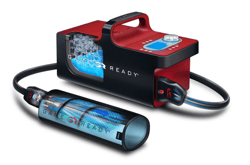 Recovering from a gym injury takes patience, the right guidance, and a plan built around where your body actually is. Cold and compression therapy is one tool many recovery plans include, especially for managing pain and swelling along the way. (2)
The clinically proven Game Ready System integrates cold and compression therapies to help reduce pain and edema, outperforming conventional rest, ice, compression, and elevation (RICE) methods. † Game Ready is intended to treat post-surgical and acute injuries to reduce pain, edema, and swelling, where cold and compression are indicated. †
Ready to make cold and compression part of your recovery plan? Recover from gym injuries at home with Game Ready.

† Claim data on file with Avanos.