


About This Post
Sore muscles respond to two different mechanisms working together: Cold calms the nerves that signal pain, while intermittent compression cycles pressure on and off to move blood through the area. A basic ice pack only delivers cold therapy, and using cold for too long can slow healing rather than speed it up. Research on cold and compression together points to real benefits: more effective recovery after tough workouts, help in easing soreness, and faster return to activity. Read more →
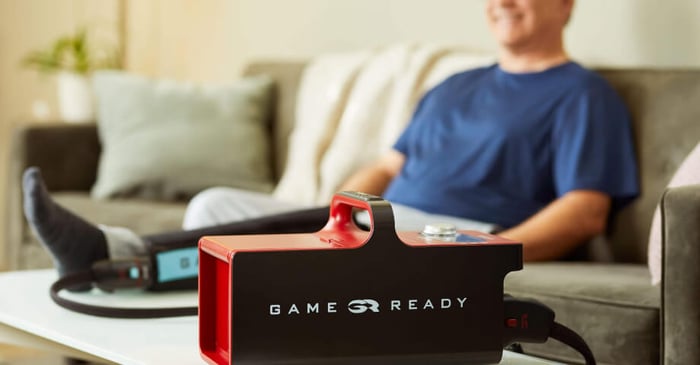
Push hard on the weekend, and you feel it by Monday. Maybe it's a sore knee after pickup basketball, a tight shoulder after a long ride, or stiff legs because you finally got back into a running routine. Even everyday tasks can leave you sore after a weekend spent moving furniture or bustling on your feet at a family event.
When soreness hits, most people reach for whatever's in the freezer—an ice pack, a bag of frozen peas—and hope for the best. Cold treatment is a familiar, default choice, but it's not necessarily the most effective option available.
There's a better approach. Cold compression therapy pairs two trusted recovery tools together: cold and intermittent compression. This post covers how cold compression therapy works in the body, how it differs from icing alone, and what the research shows about benefits for pain relief and recovery.
How Cold Compression Therapy Works in the Body
You may not have heard the word "cryocompression" before, but the idea behind it is simple. Cold and intermittent compression work together in one treatment, and each plays a different role in how your body responds.
Cold works by calming the nerves that signal pain. It also causes blood vessels near the skin to narrow. That's part of why an ice pack can numb an area at first.¹ Targeted cold therapy helps relieve sore muscles and reduce swelling as part of your post-activity recovery routine.†
Compression works differently. Short bursts of pressure squeeze and release, over and over. This is called intermittent pneumatic compression. This differs from something like a bandage, which applies a constant level of pressure. Intermittent compression cycles on and off, instead. Think of it as a gentle, rhythmic squeeze rather than a static wrap.2
Designed to optimize recovery following physical activity, intermittent pneumatic compression can support recovery by increasing blood flow and tissue oxygenation during and after activity.†
How Cold Compression Differs from Regular Icing
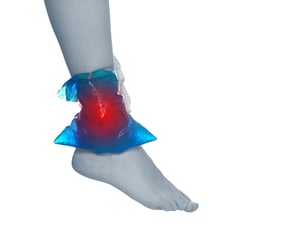 A basic ice pack only does one thing—cools the area. It can numb pain and slow swelling at first, but it doesn't add pressure at all, and pressure helps prevent swelling from building back up.3 Anyone who has tried to hold an ice pack in place with a kitchen towel, or re-wrapped one after it slid off mid-nap, knows how difficult it can be to keep steady contact for very long.
Combining cold with active pressure, rather than cold alone, gives the body two tools working together instead of one. That combination helps reduce swelling and inflammation.4
Icing alone also has a timing problem. Using cold for too long or too many days in a row can slow the body's healing.5 It's easy to assume more ice means faster healing, but research suggests the opposite when cold is overused. A more controlled, structured approach to cold exposure may serve recovery better than an open-ended ice pack session.
What Research Says About Cold and Compression Recovery
Cold and intermittent compression can enhance recovery and performance following a heavy resistance workout.†
That pattern holds up in other settings too. One review looked at how cold and compression are used after injuries and surgery, finding that this combination is routinely applied to ease pain, reduce swelling, and support faster functional recovery.³
Other research has focused specifically on soreness. Intermittent pneumatic compression may help reduce perceived pain and soreness after lower-limb activity.†
Taken together, the research backs up what we've already covered: Cold and compression each do their own job, and this combined treatment isn't just for athletes or clinics. The same basic science applies whether soreness comes from a marathon or a long day of chasing kids around the yard.
Bringing Professional Recovery Home
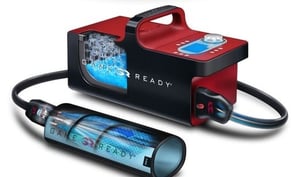 Don't let sore, tired muscles slow you down. Cold and compression work together to help you recover comfortably and get back to doing what you love.†
You don't have to be a pro athlete to benefit from a smarter recovery plan. You don't have to be recovering from surgery, either. The same principles that support recovery after a heavy training session apply to everyday soreness, a long work shift on your feet, or a weekend of yard work.
This is where the Game Ready System comes in. Game Ready® combines cold therapy and compression in one professional-grade recovery experience.†
And here's the good news: The recovery technology active adults have been waiting for is finally available without a prescription.† No appointment, no referral, just a smarter way to recover on your own schedule, whenever soreness shows up. Whether that's after a big game, a long workday, or just an ordinary Tuesday that turned out to be more physical than planned, recovery doesn't have to wait for a doctor's note.
See what Game Ready can do for your recovery.
† Claim data on file with Avanos
Sources
- Malanga, G., Yan, N., Stark, J. Mechanisms and Efficacy of Heat and Cold Therapies for Musculoskeletal Injury. Postgraduate Medicine. 2015.
- Artés, A., Ferrer-Ramos, P., Javierre, C., Viscor, G., García, I. Effects of intermittent pneumatic compression on the recovery of cardiovascular parameters after repeated sprint exercise. National Library of Medicine. Oct. 4, 2023.
- Cleveland Clinic. RICE Method for Injury. Cleveland Clinic. Jan. 24, 2025.
- Block, J. Cold and Compression in the Management of Musculoskeletal Injuries and Orthopedic Operative Procedures: A Narrative Review. Open Access Journal of Sports Medicine. 2010.
- Wang, Z.R., Ni, G.X. Is It Time to Put Traditional Cold Therapy in Rehabilitation of Soft-Tissue Injuries Out to Pasture? World Journal of Clinical Cases. June 16, 2021.
