Game Ready

Recent Posts

What to Do for A Pulled Back Muscle: 8 Early Signs and Symptoms

By Game Ready | Nov 18, 2019, 12:00:00 AM

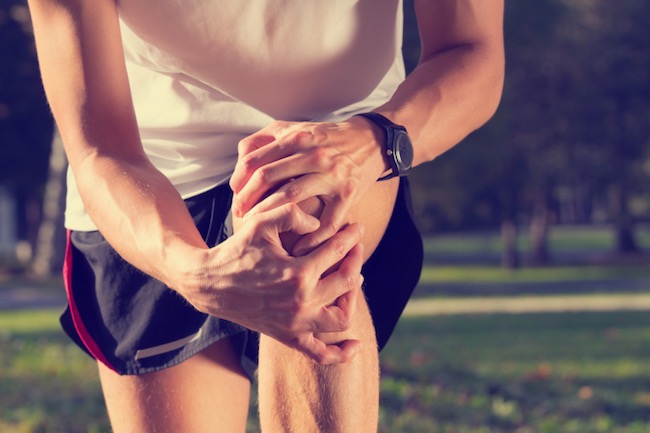
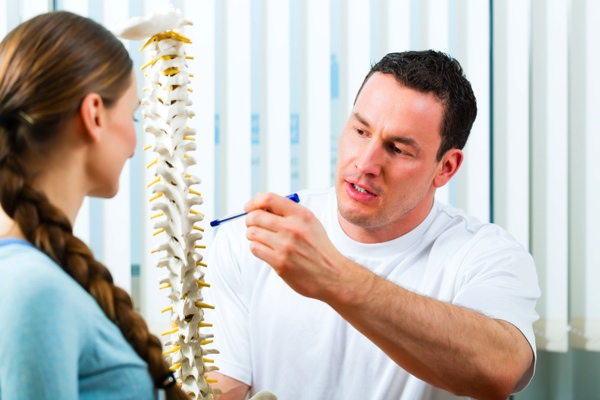
A pulled muscle in your lower back, upper back, or neck is uncomfortable and can be inconvenient, especially if you are an athlete or lead an active life. Acute pain, unexpected muscle spasms, and the inability to move with full range of motion can significantly impact your daily life and prevent you from doing some of the things you love most.

Recognizing the early signs of a pulled back muscle allows you to treat the injury and potentially prevent it from worsening. Treating a minor injury before it intensifies may save you days or weeks of discomfort and inconvenience.

Common Pulled Back Muscle Symptoms

A pulled back muscle is actually a strained muscle. A strain occurs when the fibers in one or more of the muscles that support the spine are overused or overstretched. This may lead to painful tearing and a long recovery if left untreated.1

Some early symptoms of a pulled back muscle may include2:

Recognize the 8 Early Signs of a Pulled Back Muscle (1)
  • Local swelling.
  • Muscle spasms.
  • Tenderness when touched.
  • Cramping.
  • Intense or dull pain.
  • Pain with specific movements.
  • Tightness or stiffness in the muscles.
  • Pain relief in resting positions.

Pain associated with specific movements, such as standing up or bending over, is a key indicator of a pulled back muscle, so don’t ignore these seemingly minor aches and pains.

Many people with a pulled back muscle feel more pain or stiffness early in the day, and less as the muscles warm up and become more limber.3 

Early treatment may help you recover as quickly as possible. However, ignoring back pain can slow recovery by delaying appropriate treatment or causing you to do things that worsen the injury. 

How to Treat a Pulled Back Muscle

In many cases, a minor back muscle strain can be treated at home or with the help of a physical therapist. If you’re not sure what your injury is or if you are in extreme pain, it’s always a good idea to consult with a physician. If you are noticing the early signs of a pulled back muscle, consider these treatment options4:

Over-the-Counter Medication

Over-the-counter pain medications may treat the minor aches and pains associated with a pulled back muscle. In addition to reducing pain, these treatments may also help reduce inflammation. Because they might cause unwanted side effects, many people choose to use these treatments on a limited basis. If you opt for OTC pain relievers, use them only as directed, and do not use them to do activities that would otherwise be painful. 

Cold Therapy

Applying therapeutic cold to a pulled back muscle may help reduce pain and swelling without the use of medication. Using cold therapy, either in the form of ice packs or with a cold therapy system, may help control the inflammatory process and may help reduce pain.

Heat Therapy

After the inflammation subsides, you can try applying heat to the area, which may help relieve pain, relax muscles, and promote circulation. Applying heat in the incorrect manner while the inflammatory response is still occurring can actually contribute to increased swelling, so even if heat feels good, don’t start this step too soon in the recovery process.  

Physical Therapy

If you have ongoing problems with pulled back muscles, it’s a good idea to work with a physical therapist, who can show you exercises that can help strengthen muscles and increase range of motion. They can also show you proper form and techniques for avoiding future back injuries.  

Massage Therapy

Therapeutic massage may help relax tight muscles and increase circulation to promote healing. If you feel the early signs of a pulled back muscle, massage may help relieve pain and increase range of motion. Be sure to let your therapist know about any discomfort you feel so they can tailor their treatment accordingly.

Staying Active

Although getting ample rest is important for healing, total inactivity can weaken muscles, cause stiffness, and contribute to a higher risk of injury. Continue to perform light activities that do not cause pain, such as walking, stretching, and light squats. Avoid activities that cause pain, such as lifting or bending, and learn proper form before you resume more strenuous exercise.5

Speak with your doctor if you are interested in cold and compression therapy for your recovery. 


Endnotes

  1. Muscle strain. Harvard Health. https://www.health.harvard.edu/a_to_z/muscle-strain-a-to-z. Accessed December 2018.
  2. Pietrangelo A, Cherney K. Muscle strains. Healthline. https://www.healthline.com/health/strains#symptoms. Published January 11, 2018.
  3. Nall R. What can cause morning back pain?. Medical News Today. https://www.medicalnewstoday.com/articles/324961.php. Published April 12, 2019.
  4. Low back strain and sprain. American Association of Neurological Surgeons. https://www.aans.org/Patients/Neurosurgical-Conditions-and-Treatments/Low-Back-Strain-and-Sprain. Accessed May 23, 2019.
  5. Allen JV. Maintaining fitness—not resting—may be key to recovering from an injury. The Washington Post. https://www.washingtonpost.com/lifestyle/wellness/dont-let-an-injury-derail-your-fitness/2016/04/25/66616fb8-ed18-11e5-bc08-3e03a5b41910_story.html?utm_term=.eb901654767c. Published April 25, 2016.


How to Heal Tennis Elbow and Other Tennis Tips

By Game Ready | May 17, 2017, 12:00:00 AM

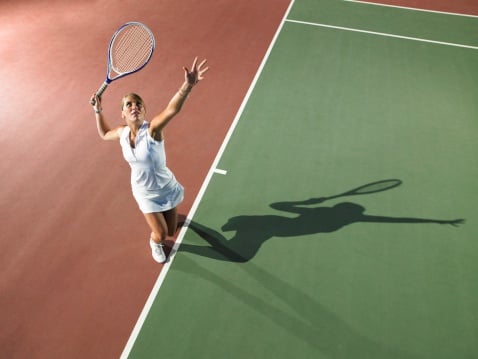
tennis elbow injury prevention.jpgA popular sport among professional and amateur athletes, tennis not only engages the mind and the body, but it also offers a range of health benefits, including muscle development and improved coordination. However, as with any other sport, it can lead to injuries, such as an ankle sprain and tissue damage from muscle overuse. One of the injuries commonly linked to this sport is lateral epicondylitis, more widely known as tennis elbow.

What Is Tennis Elbow?

Characterized by pain on the outside of the forearm, near where it meets the elbow, tennis elbow results from small tears in the tendons that connect the forearm muscle to the bones in the elbow. The repetitive motion of bending and straightening the elbow, particularly while gripping a racket and hitting a ball, can lead to such tears. Moreover, the chances of getting tennis elbow increase if you grip the racquet too tightly or use improper technique to hit the ball.

The tiny tears in the tendons and muscles near the elbow cause inflammation, which leads to pain, swelling, and limited range of motion. If left untreated, an annoying ache in the outside of the elbow can turn into recurring pain and make it difficult to grip objects. Tennis elbow can afflict anyone and is not always related to tennis, so if these symptoms sound familiar, it might be worth exploring treatment.

How to Treat Tennis Elbow

Tennis elbow is most often treated with a combination of rest, cold therapy, pain medication, and physical therapy. Cold therapy helps reduce pain and swelling and promotes healing in the damaged tissues, particularly when combined with active compression. Pain medications help reduce discomfort and may also help control swelling if they contain an anti-inflammatory agent.

After the pain and swelling have started to subside, physical therapy can help strengthen weak muscles to help prevent tennis elbow in the future. Some exercises used to treat and prevent tennis elbow include:

  • Clenching and releasing a soft object in your fist
  • Rotating the forearm with a light weight
  • Flexing and extending the wrist with a light weight
  • Twisting a towel to increase wrist strength

Performing these types of exercises before getting injured can also help prevent tennis elbow.

Other Tennis Tips

After tennis elbow has healed, the injury could return due to continued repetitive use. Follow these additional tips to help stave off injury.

  • Prepare your body: Supplement your tennis practices with exercises that build the muscles in the wrists and forearms.
  • Warm up sufficiently: Include light wrist and forearm stretches in your warm-up to prepare the muscles and tendons for activity.
  • Use proper technique: Use a racket appropriate for your body size and avoid gripping it too tightly. Work with a professional to learn the grip and stroke techniques that help you avoid injury.
  • Avoid over-repetition: Tennis elbow is primarily caused by repetitive motion, so avoid overuse by capping the number of times you repeat a stroke, changing strokes throughout practice, and cross-training to build supporting muscle groups.

For more tips on how to help treat  tennis elbow and other common sports injuries, download The Complete Guide to Upper Extremity Injury and Surgery Recovery.

download guide to upper extremity injury and surgery recovery

MCL Surgery: What are the Quickest [& Best] Recovery Methods?

By Game Ready | Sep 14, 2016, 12:00:00 AM

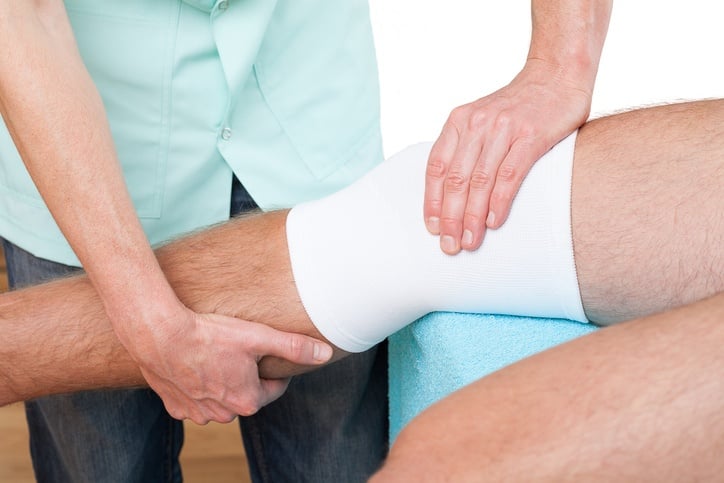
MCL_Surgery-_What_are_the_Quickest__Best_Recovery_Methods.jpgMCL surgery recovery typically takes at least twelve weeks, but you can potentially shave some time off that period by being proactive while you recuperate. In addition to speeding up the healing process, you can also put your body in a better position to return to normal activity (and your chosen sport if you’re an athlete) sooner after MCL surgery.

The Best MCL Surgery Recovery Methods for Quicker Healing

If you have MCL surgery scheduled, or even if you are already in the recovery process, follow these tips to help ensure quicker healing:

Embrace the Stillness

One of the hardest challenges for normally active people after MCL surgery is resting for several days after the procedure and keeping the knee joint immobilized. MCL surgery repairs a torn ligament and those damaged tissues are delicate at the onset of the healing process. Moving the knee too soon can impact the sutures or other connective devices the surgeon used to repair the torn ligament. A brace that completely immobilizes the knee will prevent you from doing certain activities like squatting, kneeling, or bending. Prepare your home as much as possible in advance, and ask a friend to help with daily tasks as needed. When you get clearance to use a more flexible brace, keep it on at all times to prevent side-to-side movement.  

Chill Out with Cold Therapy

Inflammation is inevitable after any type of surgery, and it’s critical to address if it you want to have a quick recovery. Many physicians recommend cold therapy immediately after surgery to help reduce swelling and pain. After the initial inflammation subsides, it’s still a good idea to use therapeutic cold as internal swelling and discomfort will persist throughout the MCL surgery recovery process. If you have an incision that should not get wet, avoid ice packs that can melt. A cold therapy device like the Game Ready System is a good alternative because it provides therapeutic cold from every angle so it can deeply penetrate into the knee joint where it will be most effective.

Learn how to obtain a cold therapy system.

Squeeze Out the Swelling

In addition to cold therapy, another way to reduce pain and swelling without medication is with active compression. You can achieve static compression with an elastic bandage, and the brace your doctor recommends might also provide some pressure to prevent the buildup of excess fluid. Active compression with a cold therapy machine like the Game Ready System will enhance the healing benefits by helping the body pump away excessive fluids from the injury site to reduce swelling. In addition to reducing swelling, active compression will help accelerate the healing process by bringing freshly oxygenated blood to the surgery site that deliver vital nutrients to healing tissues. Static compression can’t do this, so if a quick recovery is your goal, be sure to include this important step.  

Understand that Pain ≠ Gain

“No pain, no gain” does not apply to MCL surgery recovery. If you feel excessive pain during physical therapy, let your provider know so they can adjust your strengthening and stretching routine accordingly. Pushing too hard early in the recovery process can actually set you back. The worst case scenario is undoing the repair and requiring another surgery, so it’s important to closely follow your doctor’s recommendations about safe activity levels.

MCL surgery recovery is never convenient or enjoyable, but you can reduce your healing timeline by immobilizing your knee after surgery, applying cold and compression therapy, and doing the appropriate physical therapy exercises. If you’d like to learn more about how to get the Game Ready cold therapy device for your MCL surgery recovery, get in touch with Game Ready today.    guide to knee surgery cta

4 Athletes That Swear By Cryotherapy

By Game Ready | Jul 20, 2016, 12:00:00 AM

4_Athletes_That_Swear_By_Cryotherapy.jpgCryotherapy for athletes is not a new concept, but as the technology gets more sophisticated it is easier -- and more comfortable -- to use cold therapy for both injury recovery and after workouts to relieve pain and inflammation. Although some athletes use whole-body cryotherapy chambers to drop the temperature of the entire body, many prefer to use the targeted therapy that a cold therapy device delivers. With the additional benefit of active compression, a cold therapy device allows athletes to recover more quickly.

Some of the athletes that have adopted the use of a cold therapy device to relieve the pain and swelling associated with injuries and tough workouts include:

Click here to learn more about cold therapy units >>>

1.  Sarah Piampiano - Professional Triathlete

The grueling training required for triathletes to excel can take a toll on the body. This is why Sarah Piampiano uses cryotherapy after every training session to recover before the next one. Because she applies ice and compression so frequently, it makes sense for her to use a cold therapy system that delivers both benefits in a single unit. Cryotherapy is easy to apply with a portable system, so no matter where she is training, she can get the benefits of cold and compression after every workout.

2. Mike Leake - MLB Pitcher

Pitchers are known for getting shoulder and elbow injuries from repeating the same motion over and over. During the long professional baseball season, pitcher Mike Leake is proactive about protecting his body from injury. After training sessions, he uses cryotherapy to reduce pain and inflammation in the muscles and connective tissues in his arms, legs, and shoulders to help him be in top shape when he pitches.

3. Nathan “Rock” Quarry - Ultimate Fighting Champion

Few athletes experience the full-body impact of an ultimate fighting competition. In addition to the athletic rigors required to stay competitive in the ring, ultimate fighters also suffer contusions and traumatic impact injuries that other athletes do not. This is why Nathan “Rock” Quarry uses cryotherapy after every fight and between training sessions. He also knows that active compression will help his body heal faster so he can continue to train hard every day of the week.

4. Daron Rahlves - Professional Skier

Skier Daron Rahlves successfully used cryotherapy after sustaining a hip injury and is committed to doing the same for any future injury. By using a cold therapy system that has body-conforming wraps, Daron was able to apply therapeutic cold directly on his hip that  penetrated deep into the injured area to help him recover more quickly.  

Trainers have recognized that individual athletes benefit from cryotherapy, which is why they are using it for entire teams. Some of the professional teams that use cryotherapy for athletes include the New England Patriots, Chicago Bulls, New York Yankees, and dozens of others. Dance companies like the American Ballet Theater and San Francisco Ballet are also committed to helping their performers recover from injuries with the help of cold and compression therapy.

It’s clear that the pros rely on cryotherapy for athletes, but did you know that anybody can use a cold therapy machine for injury recovery? Ask your doctor or physical therapist about renting a Game Ready unit next time you get injured.The Complete Injury Recovery Guide | Game Ready

5 Things to Avoid When Recovering from a Head Injury

By Game Ready | Apr 6, 2016, 12:00:00 AM

5_Things_to_Avoid_When_Recovering_from_a_Head_Injury.jpgRecovering from a minor head injury after a sports impact or accident requires time and patience. There is no immediate cure for a minor head injury; you simply have to wait. However, you can be proactive in your recovery by avoiding certain activities and doing others that support the healing process.

If you are recovering from a head injury, be sure to avoid these five things so you can heal as fast as possible:

1. Re-injury

It might seem obvious, but it warrants mentioning that you should avoid the activity that caused your head injury in the first place. If you injured your head playing football or basketball, take a break from sports until you fully recover. Risking the chance of a second head injury is unwise because it could result in a much more serious condition.

2. Driving

Do not drive immediately after a head injury, and if you have had a head injury that required treatment from a doctor, get permission from your healthcare provider before resuming driving. Some head injuries result in slower reflexes, so if you get a bump on the head, make sure you know how your body is going to react to it before you get behind the wheel again.

3. Junk Food

After an injury, your body has to work hard to recover. You can support this hard work with a healthy diet that provides all the nutrients your body needs to repair damaged tissues. Eat a balanced combination of proteins, fruits, vegetables, and whole grains to maintain a healthy energy level and help speed up the healing process.

4. Alcohol

Consuming alcohol after a head injury will slow down the healing process, so don’t drink until you have fully recovered. You might also experience slower reaction times and difficulty thinking as a result of your head injury and alcohol will exacerbate these results. Play it safe and avoid alcohol until your head injury has gone away.  

5. Too Much Activity

It’s important to take it easy after a head injury. Your body needs energy to heal and you will probably feel more tired than usual. If this is the case, listen to your body and get more rest. Even prolonged mental activity can strain the brain and slow down healing, so take a break from work or school if you need to. It’s worth it to recover faster.

So what can you do when recovering from a head injury? To help reduce pain, use cold therapy and compression. Applying cold to a head injury slows down nerve impulses so you feel less (or no) pain, while compression allows for improved surface contact, enhanced cooling and optimal comfort.

Click here to learn more about cold therapy units >>>

The Game Ready Cryo Cap is a hands-free solution for applying cold and compression therapy for head pain and injuries. Unlike an ice pack that you have to hold on one area, the Cryo Cap surrounds the entire head to provide deep-penetrating cold. Contact us today if you would like to learn more.Cryo Cap Brochure

How to Alleviate Pain and Speed Recovery from Common Football Injuries

By Game Ready | Nov 3, 2015, 12:00:00 AM

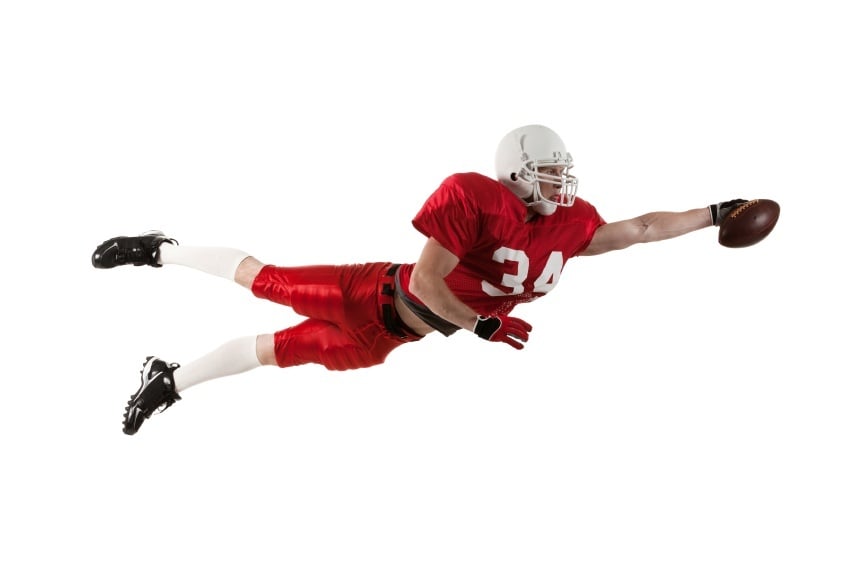
how to alleviate pain and speed recovery from common football injuriesThere is no doubt that football is a high-impact sport that comes with the chance of injury. In fact, most people who play football will experience at least one injury in the course of their career. In addition to the contusions and other injuries that result from tackling, football players also risk damage to joints from overuse, pivoting, sprinting, and other types of motions. Some of the most common football injuries include:

  • Knee injuries - Tears to the ACL, MCL, or meniscus
  • Ankle injuries - Sprains and strains from quick cutting motions
  • Shoulder injuries - Rotator cuff sprains from throwing and cartilage damage from impact
  • Overuse injuries - Low back pain and knee pain are common complaints
  • Muscular injuries - Sprains and strains in the groin, hamstrings, and quadriceps from not warming up properly
Get back in the game. Discover more treatments for common football injuries.

With football players exposed to so many potential injuries, it is important for coaches, trainers, and the athletes themselves to have a strategy for reducing pain and getting back in the game quickly and safely.

Alleviating Pain and Accelerating Recovery from Football Injuries

All trainers, and even most players, know that the first course of action after an injury to the muscles or joints is RICE (rest, ice, compression, and elevation). However, most players do not continue the treatment as recommended, and many trainers do not have the equipment they need to successfully deliver RICE therapy. Using a cold and compression machine can help solve both of these problems:

  • Patient compliance - A cold and compression machine combines specialized wraps that conform to the body (knee, hip, ankle, shoulder, etc.) and integrated chambers that simultaneously pump cold water and pneumatic air. The result is a safe, comfortable method for delivering RICE therapy that athletes are more likely to use multiple times a day. Nobody likes holding an ice pack on their injury and static compression bandages can only do so much to reduce pain and swelling. Making treatment easier and more comfortable for athletes will accelerate the recovery process and reduce pain at the same time.
  • Best possible treatment - Ice packs and static compression wraps are not always completely effective. As an ice pack sits on the skin it gradually gets warmer, decreasing the therapeutic benefit it delivers. On the other hand, a cold therapy machine maintains a constant temperature by circulating cold water through the body specific wrap via an ice reservoir. The result is longer-lasting and deeper-penetrating therapeutic cold.
    Static compression bandages help prevent additional swelling, but they do little to proactively reduce it. A cold therapy machine actively pumps away excess fluid and replenishes oxygenated blood and nutrients to better reduce pain and swelling. The combined action of these two components -- consistent cold and active compression -- contributes to faster healing and less pain throughout the recovery process. 

Professional football players are certainly not the only athletes who are exposed to potential risk of injury. Players at every level can benefit from having a way to quickly recover from injuries and reduce pain. If you want to learn more about how to get Game Ready for your high school, college, or professional athletic program, contact us today.

Download the Football Injury Guide

What Beats Whole-Body Cryotherapy for Athletes?

By Game Ready | Aug 5, 2015, 12:00:00 AM

What_Beats_Whole-Body_Cryotherapy_for_AthletesCryotherapy for athletes has multiple different variations, but when most people hear the term they envision a football player grimacing while lowering himself into a bath of ice water, or a basketball player walking into a cryogenic chamber ensconced in frigid vapor. Fortunately for athletes, a more comfortable, and arguably more effective, alternative exists: localized cryotherapy.

Localized cryotherapy for athletes involves treating specific areas of the body to reduce inflammation and slow down cellular metabolism so damaged tissues have a better opportunity to heal. Ice packs are the traditional method for applying localized cryotherapy, but technology has evolved long beyond the bag of frozen peas. Systems that combine constant-temperature therapeutic cold with pneumatic compression are the new gold standard in localized cryotherapy.

Professional, college, and even high school athletic programs are rapidly adopting active compression and cold systems because they provide a safer, more effective, and more affordable alternative to whole-body cryotherapy.    

Active Compression and Localized Cryotherapy for Athletes

Although whole-body cryotherapy for athletes is an effective method, there are a number of reasons localized cryotherapy with active compression is a better option:

  1. Efficacy - When an athlete is recovering from an injury, the damaged muscles, ligaments, tendons, and other tissues surrounding the joint benefit from deep, targeted therapeutic cold. This is not possible with whole-body cryotherapy because an athlete can only stay in the tub or chamber for a limited period of time. Using a body-conforming wrap that encloses the entire area and pumps continuously cooled water through the system enables deeper, longer lasting penetration for a faster recovery.
  2. Comfort - Athletes do a lot for the love of the game, but very few of them will tell you that they enjoy submerging their entire body into a vat of ice water. Not only is it uncomfortable, but it is also inconvenient to emerge dripping wet. Localized cryotherapy for athletes allows them to stay dry and warm while only the affected area is treated. They can also do other activities while receiving treatment, making it a less disruptive option.
  3. Cost - Athletic programs have real budgets, and even when they are generous, it is still important to make smart choices about the equipment you purchase. Whole-body cryotherapy solutions are expensive to purchase and maintain. You can also only treat a limited number of athletes at one time in a single tub or chamber, and it’s usually impractical to purchase more than one because of space considerations. Localized cryotherapy systems allow you to treat two athletes at a time, and because they are portable and take up very little space, you can potentially treat the whole team at the same time with multiple units.   

There is no dispute that whole-body cryotherapy has its benefits, but that doesn’t necessarily mean it’s the best option for your athletic program. If you are looking for a cost-effective, safe solution that provides successful results, consider the Game Ready cold compression therapy system.

If you want to learn more about localized cryotherapy for athletes, talk to a Game Ready representative today. We work with hundreds of athletic programs of all varieties, so if you have questions, chances are we have the right answers.

Download the Football Injury Guide

4 Ways to Prepare for Wrist Surgery Recovery

By Game Ready | Jul 30, 2015, 12:00:00 AM

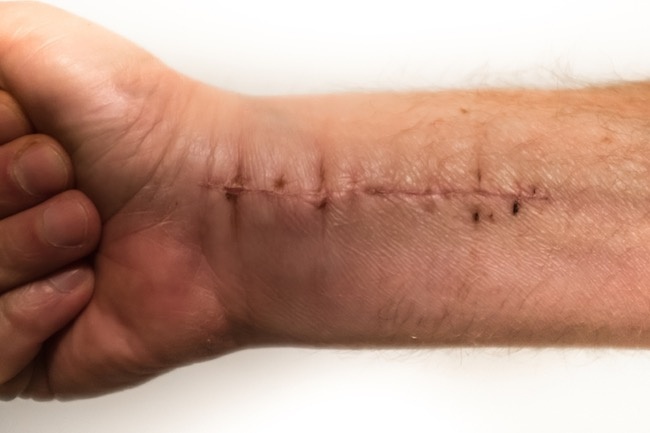
4_Ways_to_Prepare_for_Wrist_Surgery_Recovery

Whether you have a planned surgery for a recurring wrist condition or an unexpected fracture that requires an operation, there are a few actions you can take to prepare for your recovery. Knowing what to expect is the first step.

Immediately after surgery you can expect to experience some pain and swelling. Although this will continue over the next few weeks, it will subside over time. You will also probably need to participate in physical therapy to help regain range of motion, strength, and flexibility. Although you might be tempted to return to normal activity as soon as possible, it’s important not to do too much too soon to avoid injuring yourself again or impeding the progress of healing tissues.

Now that you know what you will likely go through after wrist surgery, think about what you can do to prepare for the recovery process.

How to Prepare for Wrist Surgery Recovery

Before you go into the operating room, do as much as possible to prepare for the recovery process. Some of the steps you can take include:

  1. Talk to your doctor - Every surgical procedure is different, so it’s important to speak with your physician about how long the recovery process is likely to be and when you can expect to resume full activity. Having realistic expectations can help you get through the discomfort and also help ensure that you don’t overdo it.

  2. Pre-fill prescriptions - If your doctor is prescribing pain medication for the period immediately after wrist surgery, ask about pre-filling your prescriptions so you will have them readily available.

  3. Set up a rest area - The healing process consumes a lot of energy so it’s important to get ample rest during wrist surgery recovery. Set up an area that will allow you to comfortably elevate your hand, both while awake and while sleeping, to help reduce swelling. Usually a few pillows can be arranged to ensure that you keep your hand above the level of your heart.

  4. Arrange cryotherapy treatment - The combination of cold therapy and compression is proven to help accelerate the healing process, reduce reliance on pain medication, and contribute to an overall more comfortable recovery. Therapeutic cold helps dull pain and slow down cellular metabolism, while active compression pumps edema (swelling) away from the surgical site. Talk to your doctor or physical therapist about renting a cryotherapy machine during your wrist surgery recovery so you can get treatment multiple times a day from the comfort of your own home.

Game Ready is a patented system that simultaneously delivers therapeutic cold and pneumatic compression through specialized wraps that conform to the body. We offer a fully integrated hand/wrist wrap to ensure that your joints stay in the correct position during treatment.

Ask your physical therapist if they offer Game Ready in their facility, or ask your physician if you can rent a system to use at home. The wrap is easy to apply and the system comes pre-programmed so all you have to do is fill the ice reservoir, put on the wrap, and start the machine. Contact us today or find a provider near you to learn more.

download guide to upper extremity injury and surgery recovery

5 Tips Athletes Can Use to Ease Pain During Spinal Cord Injury Rehabilitation

By Game Ready | Jan 20, 2015, 12:00:00 AM

Spinal-cord-injury-rehabilitation-tips-athletes

The National Spinal Cord Injury Statistical Center has reported that there are approximately 12,500 new incidences of spinal cord injury each year. Of these, around 9% (or 1,125 cases) are related to sports. Athletes can incur spinal cord injuries in a number of ways including a jarring fall, getting hit hard from certain angles, or twisting unexpectedly during the course of play. Although a spinal cord injury can happen in any type of sport, they are most common in football, wrestling, and ice hockey. Regardless of the cause of the injury, it is important to treat it quickly and effectively.

Almost every athletic spinal cord injury comes with a certain amount of pain and inflammation. Controlling these side effects as fast as possible after the injury occurs will not only make you more comfortable, but it will also help accelerate the healing process.

Easing Pain During Spinal Cord Injury Rehab

Reducing the pain associated with spinal cord injuries can be achieved in a number of ways, including:

  1. Pain medication - Both prescription and over-the-counter medications can help relieve pain during spinal cord injury rehabilitation, but they might also come with unwanted side effects. If you want to avoid medication during recovery, let your doctor know that this is your goal so you can work together to determine the best path forward.

  2. Cold therapy - The application of cold has long been proven to help reduce pain by temporarily deadening nerve endings around the treated area. Because the effect is only temporary, it is important to regularly re-apply cold throughout the recovery process.

  3. Active compression - In combination with cold therapy, active compression helps remove edema and reduce swelling, both of which contribute to pain reduction.

  4. Massage - Some athletes find that medical massage helps alleviate the pain associated with spinal cord injury rehabilitation. When going this route, it is important to work with a qualified provider who understands spinal anatomy and the treatments that are appropriate for your particular condition.

  5. Alternative therapies - Many people have found that alternative therapies like acupuncture, chiropractic treatment, and herbal remedies are helpful in the reduction of pain. As with massage, it is important to work with an experienced provider that you trust and to understand all of the potential negative effects if the treatment is not properly administered.

Obviously, it is best to avoid any type of athletic injury in the first place, particularly those that might result in damage to the spinal cord. It is critical that coaches and trainers teach athletes proper technique for tackling, wrestling holds, gymnastic maneuvers, and any other type of athletic activity that involves intense movement of the spine. Additionally, neck- and back-strengthening exercises should be emphasized not only during active training, but also in the off-season.

If you want medication-free pain relief that is proven to be effective, ask your doctor or trainer about Game Ready. The combination of simultaneous cold therapy and active compression is proven to provide longer-lasting pain relief than ice packs alone. Specialized wraps that conform to your body, whether your injury is in the cervical, thoracic, or lumbar spine and make treatments comfortable and easy to administer multiple times a day. Ask your doctor, physical therapist or trainer about Game Ready for your spinal cord injury recovery, or find a provider near you today.

New Call-to-action

4 Ways Cryotherapy Accelerates Healing for Athletes

By Game Ready | Dec 30, 2014, 12:00:00 AM

Cryotherapy Accelerates Healing for Athletes

Athletes can suffer a broad range of injuries throughout their careers including sprains, strains, ACL tears, rotator cuff damage, and more. At the extreme end of the spectrum, an injury might require surgery and can potentially end a career if not treated properly. On the other hand, minor injuries happen all the time and might keep an athlete off the practice field for a few weeks or months.

Regardless of the extent of the injury, the top priority is always to get the athlete back in the game as quickly as possible without risking further damage or re-injury. This goal can be achieved through a number of approaches including rest, physical therapy, medication, and others. No matter what the treatment protocol, one way to ensure that the injury heals as fast as possible is by using cryotherapy systems.

4 Ways Cryotherapy Systems Accelerate Healing

The benefits of cold therapy are not new to athletic trainers, but new cryotherapy systems with active compression can make the healing process go even faster. This is good news for the medical professionals that regularly work in the sports industry, and great news for the athletes who want to get back in the game.

Cryotherapy systems with active compression help accelerate healing in the following ways:

  1. Better cold delivery - Traditional ice packs draw heat away from the body. Although this is the objective, the unintended consequence is that the ice pack gets warmer, and therefore less effective, over time. Cryotherapy systems use patented technology to continually circulate cold water through a wrap that surrounds the injured area. This means that heat is constantly drawn away from the injury, but the temperature of the cold delivery mechanism never changes.

  2. Less metabolic activity - The application of cold reduces the metabolism of cells, which means that damaged tissues have a better chance to repair themselves.

  3. Better blood flow - Cryotherapy systems that use active compression help promote lymphatic drainage and promote better blood flow. This means that more freshly oxygenated and nutrient-rich blood is delivered to the damaged areas to promote faster healing.

  4. Long-lasting benefits - All of the above effects, in combination with cold that penetrates deeper than it can with traditional ice packs, provide therapeutic benefits that last longer than traditional cold therapy application methods.

Athletic trainers and clinics that treat athletes need to stay on the cutting edge of injury treatment if they want to stay competitive. Adding new technologies like Game Ready can help athletes heal faster, which means they are back on their feet and back in the game more quickly. Contact us today to learn more about how you can get Game Ready in your clinic or athletic department today.

guide to new cryotherapy techniques

COMMENTS

All content found on this website, including text, images, audio, or other formats were created for informational purposes only. The Content is not intended to be a substitute for professional medical advice, diagnosis, or treatment. Always seek the advice of your physician or other qualified health provider with any questions you may have regarding a medical condition or treatment. Never disregard professional medical advice or delay in seeking it because of something you have read on this website

Stay up-to-date on the latest injury & post-op recovery trends by subscribing to the Game Ready blog.
Subscribe