
 Recurring acute injuries are not only painful and disruptive, they can also be damaging if left untreated. Treatment recommendations vary depending on each individual case, but often include a combination of the following approaches.
Recent Posts
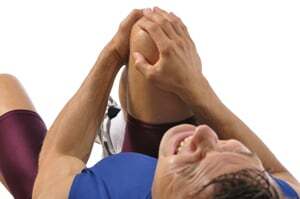
Most people know that RICE is a common prescription to treat injuries. Rest, ice, compression, and elevation are proven to facilitate the healing process after a
musculoskeletal injury. All of these components are essential for tissue repair and injury recovery, and some of them can be enhanced to make the recovery process even faster.
Rest and elevation are two factors that cannot be improved, but with advanced technology, cold and compression can be. Cold therapy can be improved with technology that enables constant, consistent cooling to the injured site. Compression therapy can be enhanced with active, pneumatic pressure that creates a pumping effect at the injury site to provide several health benefits.
Read More >
Rest and elevation are two factors that cannot be improved, but with advanced technology, cold and compression can be. Cold therapy can be improved with technology that enables constant, consistent cooling to the injured site. Compression therapy can be enhanced with active, pneumatic pressure that creates a pumping effect at the injury site to provide several health benefits.
Five Ways Compression Therapy Accelerates Injury Recovery
The pumping effect that mimics the body's natural muscular movements provides the following injury recovery benefits:- Less swelling - Inflammation and swelling are not only uncomfortable, they can also inhibit the healing process. Compression therapy is proven to help reduce swelling, especially in combination with cold therapy.
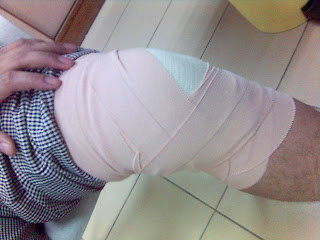
The anterior cruciate ligament (ACL) in the knee is essential for maintaining stability in the joint. Because it is so important to everyday function, when it becomes damaged or torn, surgery is often the recommended course of action. Although the surgery itself is fairly routine, it does take some time for the body to recover.
Following a few tips during ACL surgery recovery can help you heal faster and get back on your feet more quickly.
Read More >
Following a few tips during ACL surgery recovery can help you heal faster and get back on your feet more quickly.
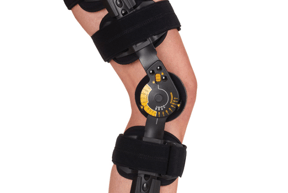 Recovering from a knee surgery, whether it is an ACL or
MCL repair, usually includes some type of supportive knee brace. As the tissues in your knee are healing, the surrounding muscles and ligaments in the joint need support so the entire structure can heal properly.
Recovering from a knee surgery, whether it is an ACL or
MCL repair, usually includes some type of supportive knee brace. As the tissues in your knee are healing, the surrounding muscles and ligaments in the joint need support so the entire structure can heal properly.
There are several types of knee braces your doctor or physical therapist might recommend depending on the stage of recovery.
Knee Braces for ACL and MCL Surgery Recovery
In addition to keeping your leg elevated, getting ample rest, using cold and compression therapy, and other knee surgery recovery strategies, using a brace is a standard part of the healing process. Some solutions to consider during recovery include:- Cold compression wraps -Typically used immediately after surgery to help control pain and swelling, these wraps use active cold and compression to increase the benefits of cryotherapy. Cold compression wraps can be used throughout your recovery to help remove edema, reduce pain, control inflammation, and generally speed up the healing process.
- Post-op knee brace - Your knee may need to be immobilized for long periods of time shortly after surgery. A post-op knee brace extends the length of your leg to limit range of motion in the joint while still allowing you to get around.
- Hinged knee braces - These types of braces are designed to prevent hyperextension in the knee and limit the type of rotation that can put strain on the knee joint. After your knee has healed enough to support weight and you are able to participate in low-impact activities, your doctor may recommend wearing a hinged brace.
In addition to providing support while your ACL or MCL is healing, knee braces also protect the joint from impacts that could cause more damage to the knee. For this reason, many health care providers recommend the use of a knee brace while doing high-impact activity even after the surgery has fully healed.
If you do have MCL or ACL surgery, be sure to use the knee braces prescribed by your doctor. They should help you select the right size and type, and ensure that you know how to put it on and adjust it if necessary.
Using Game Ready cold compression wraps and other types of supportive braces after surgery can help you get back on your feet faster. They can also help reduce the pain and discomfort that comes with the natural swelling after surgery. Ask your doctor about using Game Ready after your surgery, or find a local provider using our locator.
Have you ever used any of these types of knee braces?
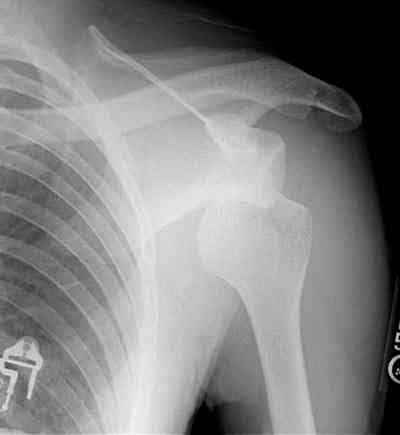 A dislocated shoulder injury is common in certain sports, particularly those with a lot of contact between players (football, hockey, rugby, etc.) or the potential for an impact with the ground (gymnastics, volleyball, downhill skiing, etc). A dislocated shoulder injury can also be caused by a trauma such as a car accident or a fall.
Whether it is a sports injury or an unfortunate accident, it is useful to understand what happens in the body when a shoulder becomes dislocated and how you can help speed up the recovery process.
4 Things You Need to Know about a Dislocated Shoulder
- Dislocation is different from separation - When a shoulder is dislocated, the upper arm bone (humerus) becomes separated from the shoulder blade (scapula) and pops out of the socket. In contrast, a shoulder separation occurs when the ligaments that connect the scapula and the clavicle are damaged.
- Shoulder dislocation is a serious injury - If not treated properly, a dislocated shoulder can result in future dislocations, a frozen shoulder, and other joint complications in the future. Some dislocations may also result in bone fractures, muscle tears, or nerve or blood vessel damage. Only a trained medical professional can properly diagnose these potential complications, which is one reason it is so important to quickly see a doctor if a dislocated shoulder injury is suspected.
- Symptoms may vary - If you experienced a sports trauma or other event that might have resulted in a shoulder dislocation, there are some common signs. Significant pain is almost always an unfortunate symptom, along with the inability to move the arm and numbness. In many cases, the shoulder will actually be visibly dislocated.
- The faster you treat it, the faster you recover - When treated properly, a dislocated shoulder often fully recovers and full range of motion is restored. In addition to prompt medical attention and a careful return to activity, the healing process can be accelerated with cryotherapy and compression to help reduce inflammation and protect healthy tissue.
If you are concerned that you might have a dislocated shoulder injury, seek medical attention immediately so you can start recovering as soon as possible.
If you are recovering from a dislocated shoulder injury, ask your doctor, coach, or trainer about Game Ready cold compression therapy systems. Our patented wraps are designed to completely cover the entire shoulder area, so you get the benefits of cryotherapy and active compression exactly where you need them. Contact us today to learn more or to get your own Game Ready system.
Have you ever had a dislocated shoulder injury? Tell us about your recovery in the comments section.
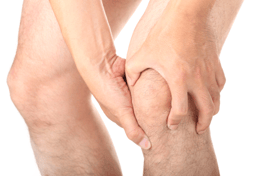 Just as with healing from any injury, complications can arise during MCL surgery recovery. Some of these are predictable and avoidable, while others are more anomalous. Doing your part to prevent potential complications can help your MCL surgery recovery go more smoothly and allow you to get back on your feet faster.
Following your doctor's instructions after surgery is most important. You may also work with a physical therapist who recommends exercises to help you improve range of motion by strengthening the muscles around the knee. Following their rehab plan is also critical for full recovery from MCL surgery.
3 MCL Surgery Recovery Complications
Not following your doctor's instructions can increase the risk of the following complications:- Re-injury - Returning to activity too soon or engaging in contact sports before the ligament has fully healed can result in a second rupture or tear.
- Infection - Any incision is susceptible to infection. This complication is easily avoidable with antibiotics that your doctor will prescribe after surgery.
- Knee instability - If you return to activity before the injury has fully healed, you may experience long-term instability in the joint. The MCL is one of seven ligaments in the knee, and one of the most important for providing support in the joint. The key to avoiding this complication is proper rehabilitation. A physical therapist can help you safely return to activity, but you must follow their recommendations to ensure that you don't push yourself too hard too soon after knee surgery.
Some of the complications that cannot necessarily be mitigated during MCL surgery recovery include failure of the repair, prominent hardware, and nerve injury. These types of complications result from the surgery itself and are not caused by patient activities during recovery.
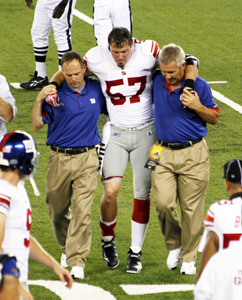 Athletes, coaches, and trainers have an interest in learning the best ways to quickly recover from football injuries. Players want to get back in the game as soon as possible; coaches need the whole team in top shape to be successful and trainers are tasked with keeping athletes in playing condition.
Football injuries can happen to ankles, legs, knees, and shoulders. Some of the most common football injuries include:
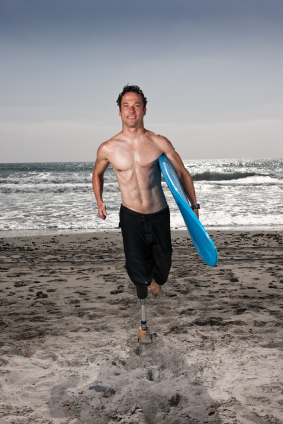 Amputation rehabilitation is an ongoing process that is different for every individual. However, there are some common steps in the recovery process that every patient can expect to encounter. The emotional response to an amputation will vary, but the physical response is easier to prepare for, especially if you know more about what to expect in advance.
 Cold (cryo) therapy is widely used after a musculoskeletal injury or post-surgery to decrease pain, muscle spasms, edema and swelling. Let’s say you’ve had an ankle or knee injury. You know the drill – get in bed or on the couch, elevate the leg and apply ice to the injured area. You also remember the mess and inconvenience this kind of ice water therapy causes – wet pillows, bedclothes, blankets, etc. Staying compliant with that type of cold therapy is really difficult and that’s just one reason why ice water therapy alone isn’t ideal for recovering from a sports injury.
 Thanks to surgical and physical therapy advances over recent years, rotator cuff surgery recovery won't keep you off the job or out of the gym as long as it once did. Rotator cuff tears are not uncommon in adults and are usually caused by acute trauma or repetitive overhead work such as painters or construction workers might perform. Once your physician diagnoses a tear and recommends surgery, you'll need to plan for a period of post-operative physical therapy. How long that therapy last depends on several factors: