

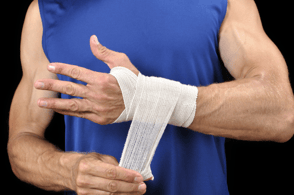
 Recurring acute injuries are not only painful and disruptive, they can also be damaging if left untreated. Treatment recommendations vary depending on each individual case, but often include a combination of the following approaches.
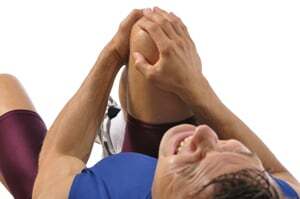
Most people know that RICE is a common prescription to treat injuries. Rest, ice, compression, and elevation are proven to facilitate the healing process after a
musculoskeletal injury. All of these components are essential for tissue repair and injury recovery, and some of them can be enhanced to make the recovery process even faster.
Rest and elevation are two factors that cannot be improved, but with advanced technology, cold and compression can be. Cold therapy can be improved with technology that enables constant, consistent cooling to the injured site. Compression therapy can be enhanced with active, pneumatic pressure that creates a pumping effect at the injury site to provide several health benefits.
Read More >
Rest and elevation are two factors that cannot be improved, but with advanced technology, cold and compression can be. Cold therapy can be improved with technology that enables constant, consistent cooling to the injured site. Compression therapy can be enhanced with active, pneumatic pressure that creates a pumping effect at the injury site to provide several health benefits.
Five Ways Compression Therapy Accelerates Injury Recovery
The pumping effect that mimics the body's natural muscular movements provides the following injury recovery benefits:- Less swelling - Inflammation and swelling are not only uncomfortable, they can also inhibit the healing process. Compression therapy is proven to help reduce swelling, especially in combination with cold therapy.
.jpg)
A pulled muscle in your lower back, upper back, or neck is uncomfortable and can be inconvenient, especially if you are an athlete or lead an active life.
Read More >
A popular sport among professional and amateur athletes, tennis not only engages the mind and the body, but it also offers a range of health benefits, including muscle development and improved coordination. However, as with any other sport, it can lead to injuries, such as an ankle sprain and tissue damage from muscle overuse. One of the injuries commonly linked to this sport is lateral epicondylitis, more widely known as tennis elbow.
Read More >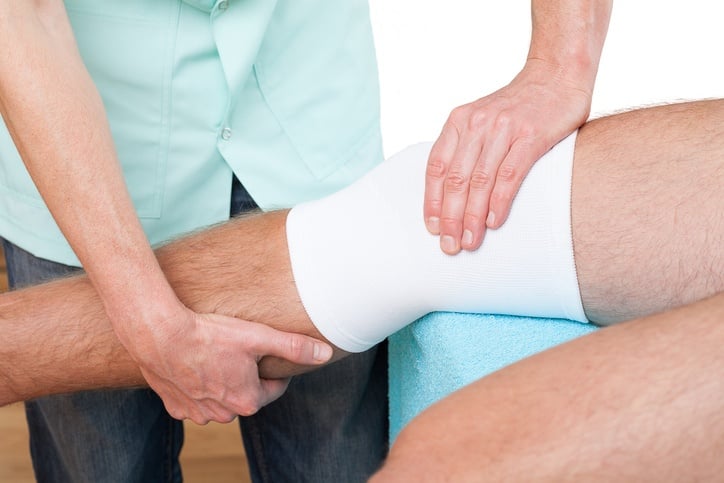
MCL surgery recovery typically takes at least twelve weeks, but you can potentially shave some time off that period by being proactive while you recuperate. In addition to speeding up the healing process, you can also put your body in a better position to return to normal activity (and your chosen sport if you’re an athlete) sooner after MCL surgery.
Read More >
Cryotherapy for athletes is not a new concept, but as the technology gets more sophisticated it is easier -- and more comfortable -- to use cold therapy for both injury recovery and after workouts to relieve pain and inflammation. Although some athletes use whole-body cryotherapy chambers to drop the temperature of the entire body, many prefer to use the targeted therapy that a cold therapy device delivers. With the additional benefit of active compression, a cold therapy device allows athletes to recover more quickly.
Read More >
Recovering from a minor head injury after a sports impact or accident requires time and patience. There is no immediate cure for a minor head injury; you simply have to wait. However, you can be proactive in your recovery by avoiding certain activities and doing others that support the healing process.
Read More >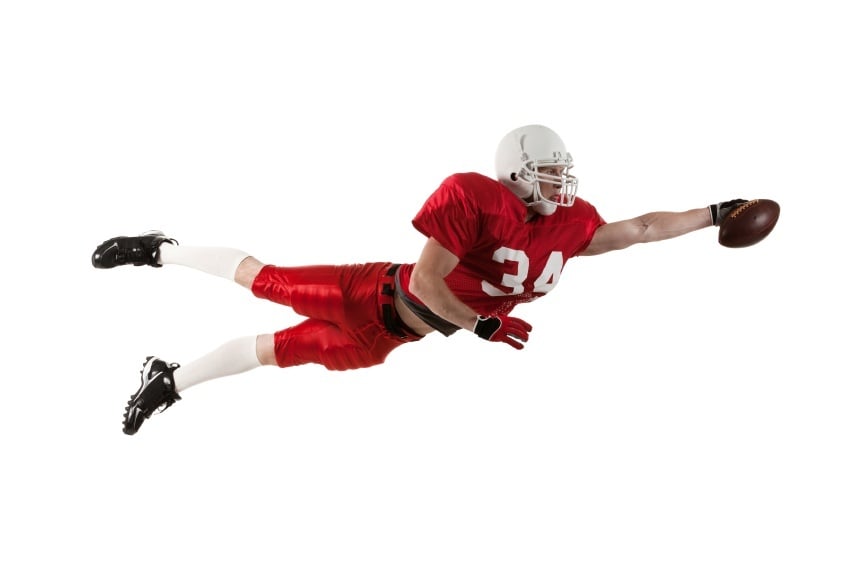
There is no doubt that football is a high-impact sport that comes with the chance of injury. In fact, most people who play football will experience at least one injury in the course of their career. In addition to the contusions and other injuries that result from tackling, football players also risk damage to joints from overuse, pivoting, sprinting, and other types of motions. Some of the most common football injuries include:
Read More >
Cryotherapy for athletes has multiple different variations, but when most people hear the term they envision a football player grimacing while lowering himself into a bath of ice water, or a basketball player walking into a cryogenic chamber ensconced in frigid vapor. Fortunately for athletes, a more comfortable, and arguably more effective, alternative exists: localized cryotherapy.
Read More >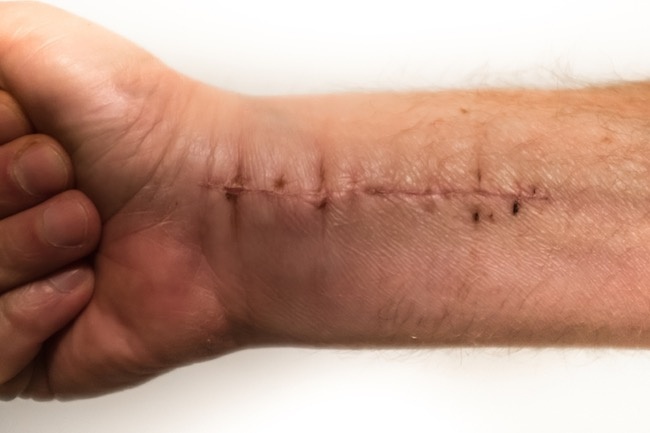
Whether you have a planned surgery for a recurring wrist condition or an unexpected fracture that requires an operation, there are a few actions you can take to prepare for your recovery. Knowing what to expect is the first step.
Read More >