5 Tips Athletes Can Use to Ease Pain During Spinal Cord Injury Rehabilitation

By Game Ready | Jan 20, 2015, 12:00:00 AM

Spinal-cord-injury-rehabilitation-tips-athletes

The National Spinal Cord Injury Statistical Center has reported that there are approximately 12,500 new incidences of spinal cord injury each year. Of these, around 9% (or 1,125 cases) are related to sports. Athletes can incur spinal cord injuries in a number of ways including a jarring fall, getting hit hard from certain angles, or twisting unexpectedly during the course of play. Although a spinal cord injury can happen in any type of sport, they are most common in football, wrestling, and ice hockey. Regardless of the cause of the injury, it is important to treat it quickly and effectively.

Almost every athletic spinal cord injury comes with a certain amount of pain and inflammation. Controlling these side effects as fast as possible after the injury occurs will not only make you more comfortable, but it will also help accelerate the healing process.

Easing Pain During Spinal Cord Injury Rehab

Reducing the pain associated with spinal cord injuries can be achieved in a number of ways, including:

  1. Pain medication - Both prescription and over-the-counter medications can help relieve pain during spinal cord injury rehabilitation, but they might also come with unwanted side effects. If you want to avoid medication during recovery, let your doctor know that this is your goal so you can work together to determine the best path forward.

  2. Cold therapy - The application of cold has long been proven to help reduce pain by temporarily deadening nerve endings around the treated area. Because the effect is only temporary, it is important to regularly re-apply cold throughout the recovery process.

  3. Active compression - In combination with cold therapy, active compression helps remove edema and reduce swelling, both of which contribute to pain reduction.

  4. Massage - Some athletes find that medical massage helps alleviate the pain associated with spinal cord injury rehabilitation. When going this route, it is important to work with a qualified provider who understands spinal anatomy and the treatments that are appropriate for your particular condition.

  5. Alternative therapies - Many people have found that alternative therapies like acupuncture, chiropractic treatment, and herbal remedies are helpful in the reduction of pain. As with massage, it is important to work with an experienced provider that you trust and to understand all of the potential negative effects if the treatment is not properly administered.

Obviously, it is best to avoid any type of athletic injury in the first place, particularly those that might result in damage to the spinal cord. It is critical that coaches and trainers teach athletes proper technique for tackling, wrestling holds, gymnastic maneuvers, and any other type of athletic activity that involves intense movement of the spine. Additionally, neck- and back-strengthening exercises should be emphasized not only during active training, but also in the off-season.

If you want medication-free pain relief that is proven to be effective, ask your doctor or trainer about Game Ready. The combination of simultaneous cold therapy and active compression is proven to provide longer-lasting pain relief than ice packs alone. Specialized wraps that conform to your body, whether your injury is in the cervical, thoracic, or lumbar spine and make treatments comfortable and easy to administer multiple times a day. Ask your doctor, physical therapist or trainer about Game Ready for your spinal cord injury recovery, or find a provider near you today.

New Call-to-action

4 Ways Cryotherapy Accelerates Healing for Athletes

By Game Ready | Dec 30, 2014, 12:00:00 AM

Cryotherapy Accelerates Healing for Athletes

Athletes can suffer a broad range of injuries throughout their careers including sprains, strains, ACL tears, rotator cuff damage, and more. At the extreme end of the spectrum, an injury might require surgery and can potentially end a career if not treated properly. On the other hand, minor injuries happen all the time and might keep an athlete off the practice field for a few weeks or months.

Regardless of the extent of the injury, the top priority is always to get the athlete back in the game as quickly as possible without risking further damage or re-injury. This goal can be achieved through a number of approaches including rest, physical therapy, medication, and others. No matter what the treatment protocol, one way to ensure that the injury heals as fast as possible is by using cryotherapy systems.

4 Ways Cryotherapy Systems Accelerate Healing

The benefits of cold therapy are not new to athletic trainers, but new cryotherapy systems with active compression can make the healing process go even faster. This is good news for the medical professionals that regularly work in the sports industry, and great news for the athletes who want to get back in the game.

Cryotherapy systems with active compression help accelerate healing in the following ways:

  1. Better cold delivery - Traditional ice packs draw heat away from the body. Although this is the objective, the unintended consequence is that the ice pack gets warmer, and therefore less effective, over time. Cryotherapy systems use patented technology to continually circulate cold water through a wrap that surrounds the injured area. This means that heat is constantly drawn away from the injury, but the temperature of the cold delivery mechanism never changes.

  2. Less metabolic activity - The application of cold reduces the metabolism of cells, which means that damaged tissues have a better chance to repair themselves.

  3. Better blood flow - Cryotherapy systems that use active compression help promote lymphatic drainage and promote better blood flow. This means that more freshly oxygenated and nutrient-rich blood is delivered to the damaged areas to promote faster healing.

  4. Long-lasting benefits - All of the above effects, in combination with cold that penetrates deeper than it can with traditional ice packs, provide therapeutic benefits that last longer than traditional cold therapy application methods.

Athletic trainers and clinics that treat athletes need to stay on the cutting edge of injury treatment if they want to stay competitive. Adding new technologies like Game Ready can help athletes heal faster, which means they are back on their feet and back in the game more quickly. Contact us today to learn more about how you can get Game Ready in your clinic or athletic department today.

guide to new cryotherapy techniques

Why Active Cold & Compression Is Critical to Back Strain Treatment

By Game Ready | Nov 18, 2014, 12:00:00 AM

why active cold and compression works for back strain treatment 1

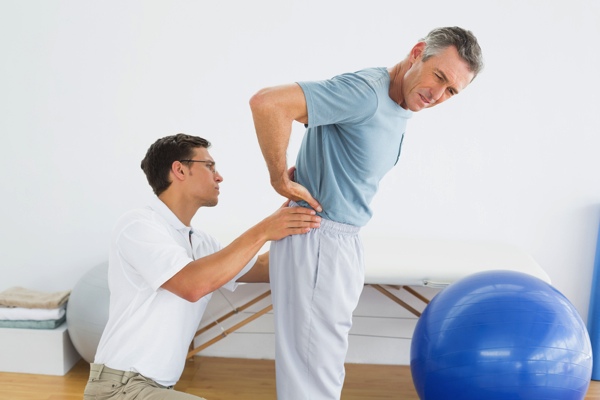
Back strain, sometimes also called a pulled back muscle, is both painful and inconvenient. It can be caused by a number of factors, including a fall, improper lifting, twisting unexpectedly, or repeatedly bending over. If left untreated, it can lead to inability to perform certain movements, which can impact your daily life. Fortunately, in most cases, back strain is fully treatable.

One critical component to successful back strain treatment is cold and compression therapy.

Why to Use Cold and Compression for Back Strain

The first step to understanding back strain treatment is to learn more about the injury itself. Back strain is caused by tiny tears in the muscle fibers near the spinal cord. These small tears lead to muscle weakness, instability of the spine, and consequently, pain. Torn muscles also lead to inflammation because your body wants to protect itself from further injury.

One of the best ways to treat the pain and inflammation associated with back strain is with cold and compression:

  • Cold therapy - Therapeutic cold has been effectively used for decades to reduce the pain and swelling associated with many types of injuries, and back strain is no exception. When cold is applied to the injured area of the back, the blood vessels in the area reflexively constrict, reducing blood flow, which helps reduce swelling and inflammation. The application of cold also impacts nerve endings and makes them less sensitive to pain, resulting in a temporary relief from the discomfort associated with back strain.

  • Active compression - The body naturally pumps blood and other fluids to bring oxygen and nutrients to all of your tissues. When muscles and ligaments become damaged, the associated swelling reduces the ability to pump freshly oxygenated blood to the area and cellular debris away. The result is edema, or the buildup of excess fluid around an injury. This contributes to additional swelling, pain, and can also impact range of motion. Active compression mimics the body's natural pumping mechanism to maintain the flow of fluids and draw edema away from the injury.

The combination of cold therapy with active compression creates an even greater therapeutic effect because the cold is allowed to penetrate deeper and provide longer lasting benefits.

Game Ready's patented technology provides exactly this combination. A dual-chamber system allows cold water and air to simultaneously flow through wraps that cover the entire back area. The water flows through an ice reservoir to maintain a consistent temperature, while the active compression improves the flow of blood and other fluids.

If you'd like to learn more about Game Ready and how it can help you recover from back strain, ask your doctor about renting a system for home use or find a provider in your area.

New Call-to-action

4 Things You Need to Know About Spinal Cord Injury Rehabilitation

By Game Ready | Nov 11, 2014, 12:00:00 AM

4 things you need to know about spinal cord injury rehabilitation 1

A spinal cord injury can be very scary, even if it's relatively minor. Damage to the spinal cord can cause numbness, tingling, loss of sensation, and a range of other symptoms that are quite alarming if you don't know why they are happening. Fortunately, many people make a full recovery from minor spinal cord injuries.

What You Need to Know about Spinal Cord Injury Rehabilitation

  1. Inflammation control is critical - After an injury, your body's natural response is to become inflamed around the damaged tissues in order to protect them from further injury. Although meant to be a protective mechanism, excess inflammation leads to unwanted swelling, pain, and edema. Control inflammation with the use of cold therapy and active compression. Therapeutic cold helps reduce pain by deadening nerve endings, and swelling is decreased as the blood vessels constrict. Active compression helps move edema away from the injury by enhancing the body's natural pumping effect.

  2. Recovery takes time - Healing after any injury takes time. Your body needs a lot of energy to repair damaged tissues and it's important to get sufficient rest to allow this natural process to occur unimpeded. Be patient during your recovery process and don't expect to be able to do too much too soon. If you follow your physical therapist's recommendations, you will return to normal activity more quickly.

  3. Early rehab equals faster recovery - Your doctor will probably recommend that you do acute physical therapy as soon as possible after your injury, especially if it includes a hospital stay. The exercises you will learn will help your muscle stay strong so your later recovery phases are easier.

  4. You might need supportive devices - For some types of spinal cord injuries, your doctor might recommend a neck brace or back brace to help support the spine. The suggested use of such devices might range from a few days after the injury to several weeks or months depending on the extent of the damage and your doctor's treatment protocol. It's important to stop wearing the brace when your medical team says to as immobility or restricted movement can impede the recovery process if the best course of action is activity.

If your doctor recommends the use of cryotherapy and active compression to aid your spinal injury rehabilitation, talk to them about Game Ready. Our patented system offers two types of back wraps for either the lumbar back region or the upper pectorals, neck and cervical thoracic spine to provide simultaneous cold and compression. Get in touch today to learn more, or find a provider near you.

New Call-to-action

How to Accelerate Spinal Cord Injury Recovery & Healing

By Game Ready | Nov 4, 2014, 12:00:00 AM

how to accelerate spinal cord injury recover and healing 1

Spinal cord injuries can range from relatively minor conditions such as whiplash to extreme damage that causes full or partial paralysis. For the acute injuries that can be treated, you want to recover as quickly as possible to regain range of motion, eliminate pain, and return to normal daily activity.

As with any other type of injury, always follow your doctor's instructions closely, even if you don't feel pain or discomfort.

How to Quickly Recover from Spinal Cord Injuries

The timeline for your recovery will depend on the extent of the injury, but there are a few steps you can take to help speed up the healing process:

  • Immobilization - Typically after an acute spinal cord injury, the neck and/or back are immobilized to help prevent further damage and ensure that there is nothing that can impact the spinal cord with movement. This phase of the recovery process typically does not last long, but it is important to remain immobilized as long as your doctor recommends.

  • Rest - Your body requires a lot of energy to heal itself. The more rest you can get during your recovery, the more energy will be available to repair damaged tissues.

  • Cold therapy - One of the side effects of a spinal cord injury is inflammation. This is a natural response that is actually designed to protect your tissues from further damage and help you heal more quickly. However, when inflammation is not controlled, it can actually lengthen the recovery process. Cold therapy helps control inflammation by restricting blood flow and limiting swelling. It also helps reduce pain by temporarily deadening nerve endings around the injured area.

  • Physical therapy - As you are able to regain the ability to safely move your neck and back after a spinal cord injury, your doctor will recommend physical therapy to help you improve strength, flexibility, and range of motion. Although it may be tempting to force yourself to the limit to recover faster, sometimes it is best to ease into physical therapy and not push yourself too hard. Your doctor or physical therapist can advise the best course of action.

If you have experienced a spinal cord injury, talk to your doctor about using Game Ready to help you recover faster. Our patented technology enables cold therapy to be more effective with the help of active compression. By maintaining a consistent cold temperature, fully enclosing the injured area with specialized wraps, and mimicking the body's natural pumping action, Game Ready can help you return to normal activity faster than ice alone. Locate a provider near you to get started today.

New Call-to-action

What to Expect with Spinal Cord Injury Rehabilitation

By Game Ready | Oct 14, 2014, 12:00:00 AM

what to expect with spinal cord injury recovery

If you are going through spinal cord injury rehabilitation, it's helpful to know what to expect. While your body is healing, you might have limited range of motion or not be able to do some of the daily activities you are used to performing. Knowing what is on the horizon can make this time easier to handle and give you the opportunity to make your recovery process faster.

Spinal cord injuries can be caused by a number of factors, but trauma is the most common. Dealing with the aftermath of this trauma, whether it was a car accident or a fall, adds to the overall stress of injury recovery. Ease some of this burden by educating yourself about the recovery process and reduce fear of the unknown.

Typical Spinal Cord Injury Rehabilitation

Although every case is different, many patients have common experiences with spinal cord injury rehabilitation. Talk to your doctor about the recovery process for your particular injury, which might include:

  • Immobilization - If you have had surgery or a traumatic injury to the spinal cord, you may need to keep all or part of your spinal column immobilized for a period of time to prevent further injury. This may be accomplished with a full back board or neck brace depending on the injury.

  • Pain management - Some spinal cord injuries cause reoccuring or intermittent pain. Your healthcare team will advise you on the best way to manage this pain, which might include pharmaceuticals, activity modification, exercises, or cold therapy.

  • Physical therapy - Your doctor will recommend exercises that will help you regain range of motion, learn proper posture, and increase strength and flexibility. Although you may need to limit movement for a period of time after the initial injury, regular activity is an important part of the road to recovery.

  • Comprehensive treatment - In most cases of spinal cord injury, you will work with a team of healthcare professionals, not just one doctor. This team might include surgeons, occupational therapists, physical therapists, social workers, and psychologists. These people are there to help you navigate the recovery process, so it is important to communicate openly about the challenges you face, including pain.


Spinal cord injury rehabilitation can be a tough process, especially if you have to deal with pain along the way. If you want to reduce pain while limiting the amount of medication required, talk to your healthcare team about the Game Ready cold and compression therapy system. The use of therapeutic cold in combination with targeted compression has been shown to naturally reduce pain and inflammation. Find a provider near you to get started today.

New Call-to-action

7 Tips to Successfully Recover from ACL Surgery

By Kelly Hansen | Jun 2, 2014, 12:00:00 AM
describe the imageThe anterior cruciate ligament (ACL) in the knee is essential for maintaining stability in the joint. Because it is so important to everyday function, when it becomes damaged or torn, surgery is often the recommended course of action. Although the surgery itself is fairly routine, it does take some time for the body to recover.

Following a few tips during ACL surgery recovery can help you heal faster and get back on your feet more quickly.

Seven Tips for ACL Surgery Recovery

  1. Avoid infection - Keep the surgical incisions clean and dry and monitor for fever. If you have a persistent fever after surgery, let your doctor know right away.

  2. Get plenty of rest - The body needs energy to heal, especially after surgery or an injury. Make sure that you get enough quality sleep, and while you're awake don't exert yourself too much, especially in the first week.
  3. Eat well - A nutritious diet rich with healthy foods will help ensure that essential nutrients will be available for your healing tissues.

  4. Elevate your leg - In the first few days after surgery, elevating your leg will help keep swelling down.

  5. Use ice and compression - Cryotherapy helps reduce inflammation and pain, while compression helps remove edema and also contributes to inflammation control. Ask your doctor or physical therapist if they have equipment available during your ACL surgery recovery. Specialized wraps that provide active cold and compression therapy are more effective than ice packs and compression bandages.

  6. Manage your pain - Cold and compression will help reduce pain after surgery, possibly even eliminating the need for pain control medications. However, if you do still have pain, work with your doctor to develop a pain management strategy that works for you.

  7. Do physical therapy - As your ACL heals you will need to rehabilitate it and the surrounding tissues. Your physical therapist will likely recommend exercises like ankle flexion, gentle knee bends, and other activities that will help strengthen and stretch the muscles around your knee. It is important to follow your therapist's instructions closely, which includes not overdoing it too soon.

All of these tips will help you speed up ACL surgery recovery, especially the use of active cold compression therapy. Before you have surgery, ask your doctor about the Game Ready active cold compression system to help you reduce pain, inflammation, and edema.

The system comes with an adjustable knee wrap that is designed to conform to your body. The wrap has a dual-chamber system that allows cold water and air to consistently circulate at the same time. This simultaneous application of cold and compression is proven to be more effective than ice packs alone. If you want to learn more, get in touch with us today.

Are you ready for your upcoming ACL surgery?

guide to knee surgery cta


The Best Knee Braces Used to Recover from ACL & MCL Surgery

By Kelly Hansen | Sep 12, 2013, 12:00:00 AM
gr home frame kineta knee resized 600Recovering from a knee surgery, whether it is an ACL or MCL repair, usually includes some type of supportive knee brace. As the tissues in your knee are healing, the surrounding muscles and ligaments in the joint need support so the entire structure can heal properly.

There are several types of knee braces your doctor or physical therapist might recommend depending on the stage of recovery.

Knee Braces for ACL and MCL Surgery Recovery

In addition to keeping your leg elevated, getting ample rest, using cold and compression therapy, and other knee surgery recovery strategies, using a brace is a standard part of the healing process. Some solutions to consider during recovery include:
  1. Cold compression wraps -Typically used immediately after surgery to help control pain and swelling, these wraps use active cold and compression to increase the benefits of cryotherapy. Cold compression wraps can be used throughout your recovery to help remove edema, reduce pain, control inflammation, and generally speed up the healing process.

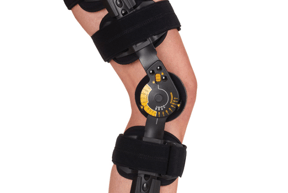
  2. Post-op knee brace - Your knee may need to be immobilized for long periods of time shortly after surgery. A post-op knee brace extends the length of your leg to limit range of motion in the joint while still allowing you to get around.

  3. Hinged knee braces - These types of braces are designed to prevent hyperextension in the knee and limit the type of rotation that can put strain on the knee joint. After your knee has healed enough to support weight and you are able to participate in low-impact activities, your doctor may recommend wearing a hinged brace.

In addition to providing support while your ACL or MCL is healing, knee braces also protect the joint from impacts that could cause more damage to the knee. For this reason, many health care providers recommend the use of a knee brace while doing high-impact activity even after the surgery has fully healed.

If you do have MCL or ACL surgery, be sure to use the knee braces prescribed by your doctor. They should help you select the right size and type, and ensure that you know how to put it on and adjust it if necessary.

Using Game Ready cold compression wraps and other types of supportive braces after surgery can help you get back on your feet faster. They can also help reduce the pain and discomfort that comes with the natural swelling after surgery. Ask your doctor about using Game Ready after your surgery, or find a local provider using our locator.

Have you ever used any of these types of knee braces?


kineta knee brace

4 Things You Need to Know about a Dislocated Shoulder Injury

By Kelly Hansen | Aug 15, 2013, 12:00:00 AM
dislocated shouldA dislocated shoulder injury is common in certain sports, particularly those with a lot of contact between players (football, hockey, rugby, etc.) or the potential for an impact with the ground (gymnastics, volleyball, downhill skiing, etc). A dislocated shoulder injury can also be caused by a trauma such as a car accident or a fall.

Whether it is a sports injury or an unfortunate accident, it is useful to understand what happens in the body when a shoulder becomes dislocated and how you can help speed up the recovery process.

4 Things You Need to Know about a Dislocated Shoulder

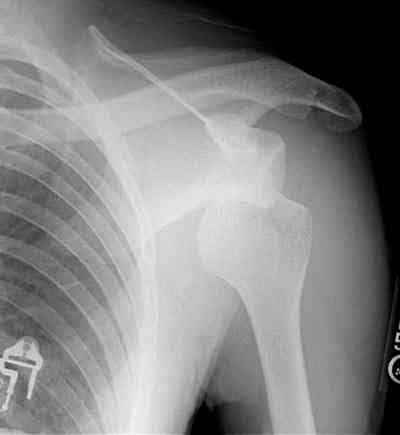
  1. Dislocation is different from separation - When a shoulder is dislocated, the upper arm bone (humerus) becomes separated from the shoulder blade (scapula) and pops out of the socket. In contrast, a shoulder separation occurs when the ligaments that connect the scapula and the clavicle are damaged.

  2. Shoulder dislocation is a serious injury - If not treated properly, a dislocated shoulder can result in future dislocations, a frozen shoulder, and other joint complications in the future. Some dislocations may also result in bone fractures, muscle tears, or nerve or blood vessel damage. Only a trained medical professional can properly diagnose these potential complications, which is one reason it is so important to quickly see a doctor if a dislocated shoulder injury is suspected.

  3. Symptoms may vary - If you experienced a sports trauma or other event that might have resulted in a shoulder dislocation, there are some common signs. Significant pain is almost always an unfortunate symptom, along with the inability to move the arm and numbness. In many cases, the shoulder will actually be visibly dislocated.

  4. The faster you treat it, the faster you recover - When treated properly, a dislocated shoulder often fully recovers and full range of motion is restored. In addition to prompt medical attention and a careful return to activity, the healing process can be accelerated with cryotherapy and compression to help reduce inflammation and protect healthy tissue.

If you are concerned that you might have a dislocated shoulder injury, seek medical attention immediately so you can start recovering as soon as possible.

If you are recovering from a dislocated shoulder injury, ask your doctor, coach, or trainer about Game Ready cold compression therapy systems. Our patented wraps are designed to completely cover the entire shoulder area, so you get the benefits of cryotherapy and active compression exactly where you need them. Contact us today to learn more or to get your own Game Ready system.

Have you ever had a dislocated shoulder injury? Tell us about your recovery in the comments section.New Call-to-action


3 Complications that Occur During MCL Surgery Recovery

By Kelly Hansen | Aug 1, 2013, 12:00:00 AM
mcl surgery complicationsJust as with healing from any injury, complications can arise during MCL surgery recovery. Some of these are predictable and avoidable, while others are more anomalous. Doing your part to prevent potential complications can help your MCL surgery recovery go more smoothly and allow you to get back on your feet faster.

Following your doctor's instructions after surgery is most important. You may also work with a physical therapist who recommends exercises to help you improve range of motion by strengthening the muscles around the knee. Following their rehab plan is also critical for full recovery from MCL surgery.

3 MCL Surgery Recovery Complications

Not following your doctor's instructions can increase the risk of the following complications:
  1. Re-injury - Returning to activity too soon or engaging in contact sports before the ligament has fully healed can result in a second rupture or tear.

  2. Infection - Any incision is susceptible to infection. This complication is easily avoidable with antibiotics that your doctor will prescribe after surgery.

  3. Knee instability - If you return to activity before the injury has fully healed, you may experience long-term instability in the joint. The MCL is one of seven ligaments in the knee, and one of the most important for providing support in the joint. The key to avoiding this complication is proper rehabilitation. A physical therapist can help you safely return to activity, but you must follow their recommendations to ensure that you don't push yourself too hard too soon after knee surgery.

Some of the complications that cannot necessarily be mitigated during MCL surgery recovery include failure of the repair, prominent hardware, and nerve injury. These types of complications result from the surgery itself and are not caused by patient activities during recovery.

Avoiding Complications During MCL Surgery Recovery

For those complications that are preventable, there are some simple steps you can take to reduce the risk that they will happen to you:

As your body heals from surgery, the tissue repairs itself and eventually returns to its pre-injury form and function. However, while this healing is occurring, the body's natural response is inflammation. Using cold compression therapy during this time can help control inflammation and allow the body to heal more quickly.

Game Ready has developed a patented system to deliver active cold and compression therapy directly to the areas where it is most needed. Specialized knee wraps enclose the entire joint and ensure that therapeutic cold reaches all the injured tissues consistently and deeply. Active compression helps control swelling and reduces edema at the same time.

If you expect to go through MCL surgery recovery, talk to your doctor about Game Ready or contact us today to learn more about renting your own system.

Have you ever experienced complications after knee surgery? Tell us about it in the comments section.

Download the Football Injury Guide

COMMENTS

All content found on this website, including text, images, audio, or other formats were created for informational purposes only. The Content is not intended to be a substitute for professional medical advice, diagnosis, or treatment. Always seek the advice of your physician or other qualified health provider with any questions you may have regarding a medical condition or treatment. Never disregard professional medical advice or delay in seeking it because of something you have read on this website

Stay up-to-date on the latest injury & post-op recovery trends by subscribing to the Game Ready blog.
Subscribe