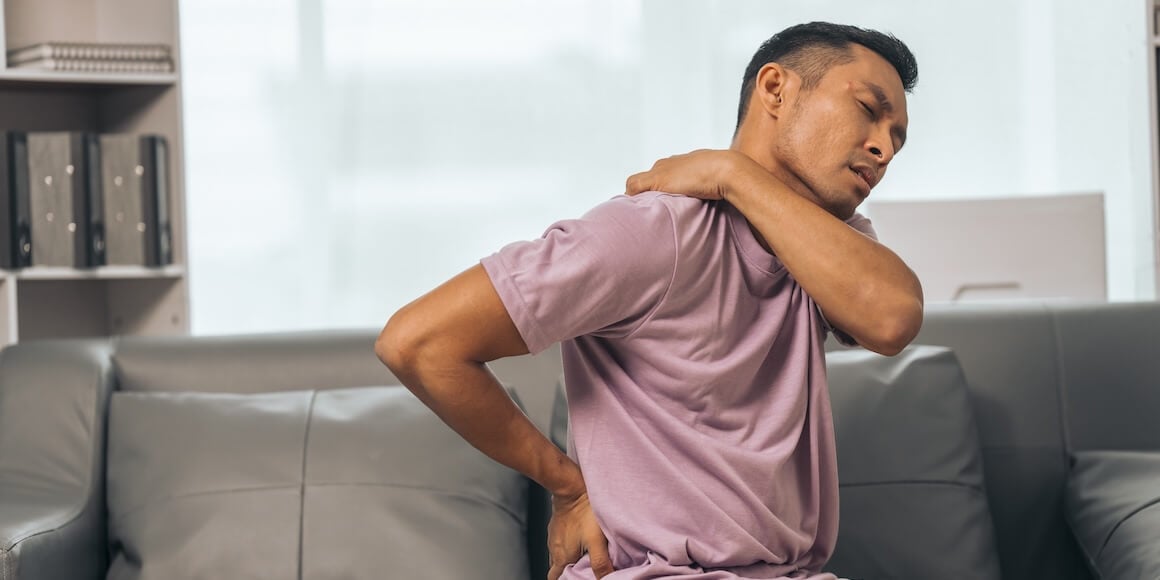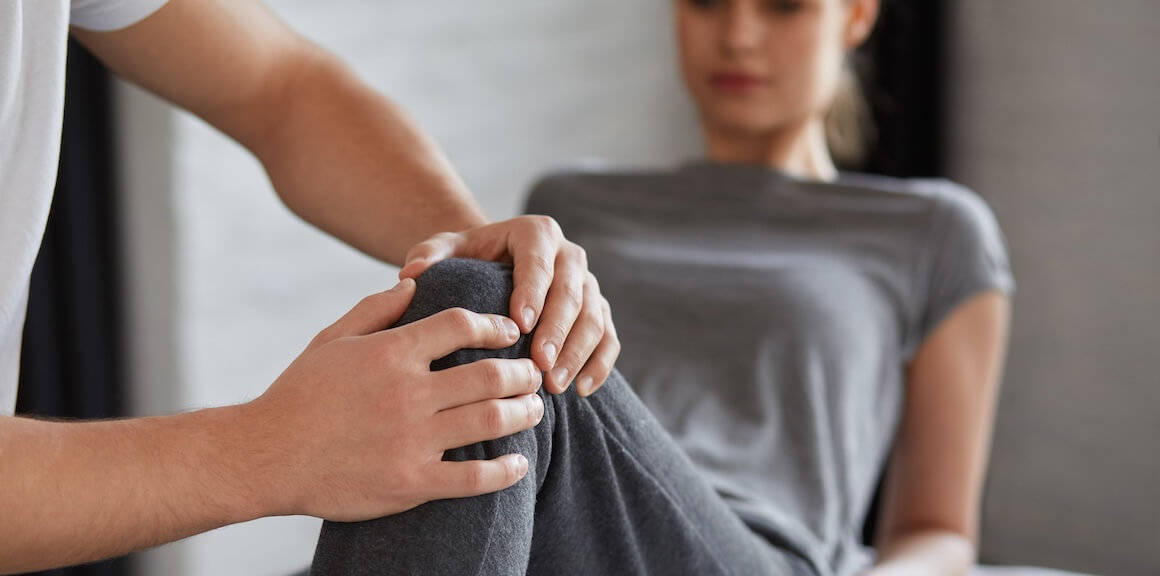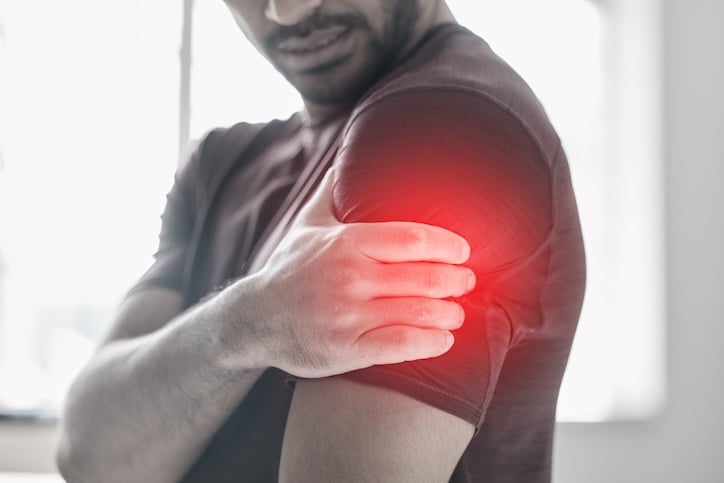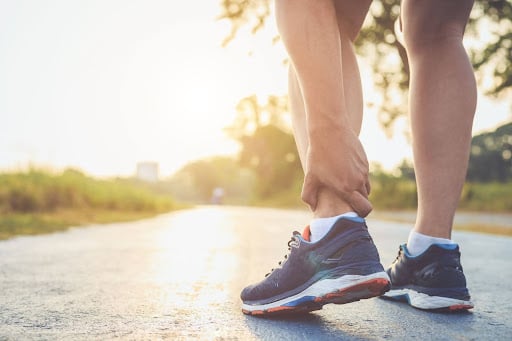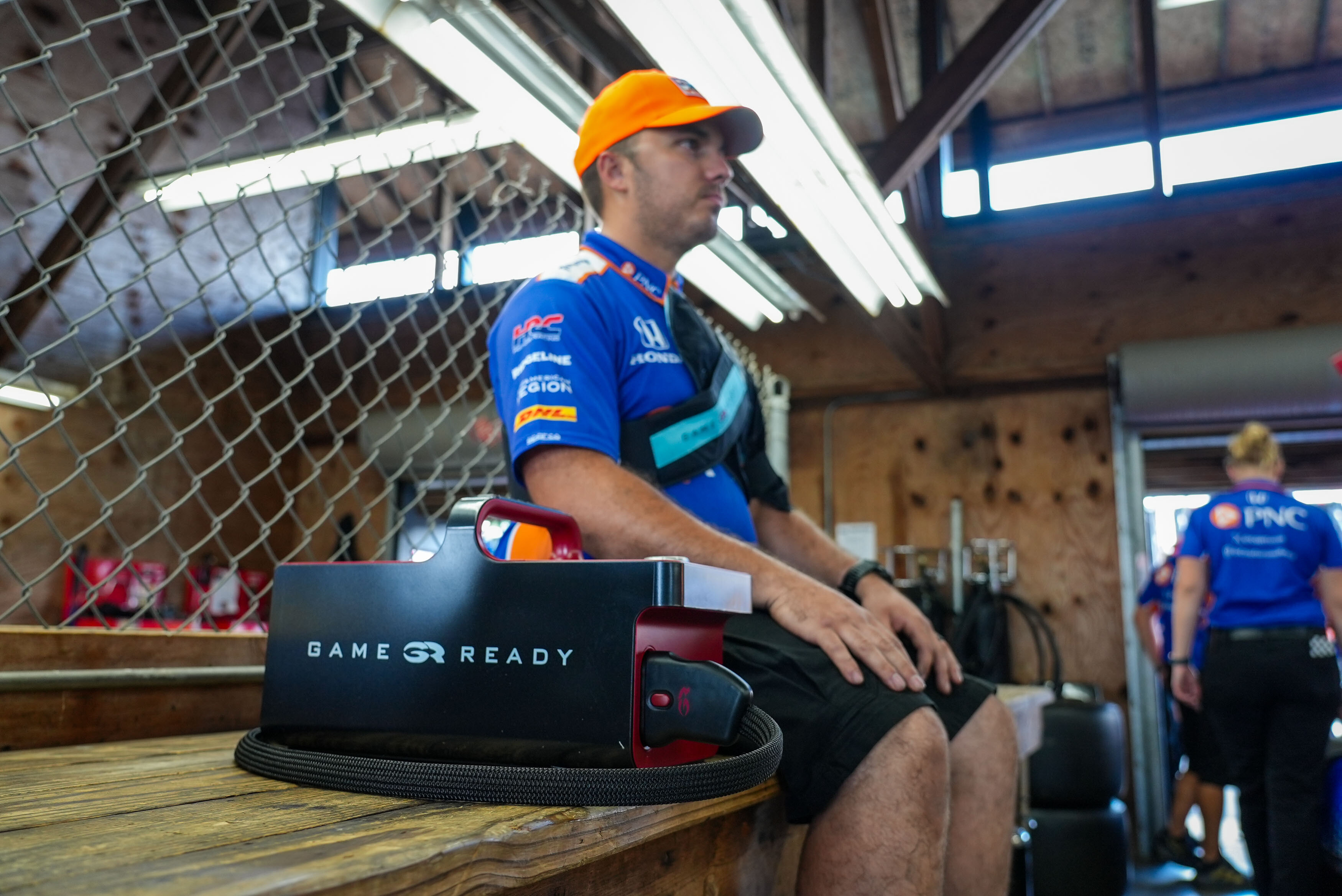
Cold therapy systems use advanced technology to provide deep, consistent cooling to injured areas. Combined with active compression, cold therapy can help your body heal more quickly by preventing tissue damage, encouraging healthy circulation, and stimulating tissue repair.
Although many athletes and patients believe that
ice water therapy is sufficient, cold therapy systems provide many more important benefits.
Six Benefits to Cold Therapy Systems
Cryotherapy is a time-tested method for reducing pain, swelling, and edema. Although ice has been the primary cold source for years, cold therapy systems are rapidly becoming the method of choice for doctors, trainers, and surgeons because they offer so many benefits:
- Consistent therapeutic temperature - A constant exchange of cold water with warmer water ensures that the injury site receives the same cold temperature for the duration of the therapy session.
- Deeper cold - Consistent cooling allows the therapeutic cold to penetrate deeper, which means that more of your recovering tissue will benefit from less swelling, pain, and edema.
- Longer lasting cold - A deeper, consistent cooling effect lasts longer after the therapy session has been completed so you will continue to benefit from cryotherapy even after the application of cold has stopped.
- Better coverage - Specialized wraps can cover more surface area than a simple ice pack. Wraps that conform to your body and have more uniform contact allow the therapeutic cold to reach all the damaged tissue in the injured area.
- Less pain - Better coverage and more effective cold therapy means less pain during the recovery process. This not only helps improve your quality of life, but will also allow you to benefit more from physical therapy.
- Faster recovery - All of these factors combine to provide quicker healing and faster recovery from injuries or surgery. The faster you can recover, the more quickly you can get back to normal life, which is perhaps the greatest benefit of all.
Unlike ice water or gel packs, cold therapy systems cover more area and cool at a consistent temperature to provide a deeper, longer-lasting therapeutic effect. If you need cryotherapy, make sure you get the most from it with cold therapy systems.
Game Ready provides cold therapy systems for all types of injuries and surgical recoveries. We also have a new specialized amputee wrap for below-the-knee amputations. Whether you have a sports injury or are recovering from surgery, active cold and compression can help you get back on your feet more quickly. Download our free whitepaper to learn more about Cryotherapy.
How do you think you could benefit from cold therapy?
It’s never easy for someone to lose a limb, because there will be significant lifetime adjustments that must be made because of the amputation. Yet, healthcare experts agree that there are circumstances, such as an acute injury or chronic vascular problem such as diabetic infection, where a below the knee amputation (BKA) is the best solution. BKA surgery can give the patient the best possible opportunity for a better functioning life with less pain to the lower extremity.
Further, studies have shown that people who undergo below the knee amputation have a greater chance of achieving functional success, as compared to other types of amputations. These transtibial amputations are among the most commonly performed. Those who have a BKA retain the knee joint, which helps tremendously for achieving post-operative rehabilitation and ambulation success. A functioning knee provides the power to lift and lower the body, as well as assistance for balance maintenance. Our knees are important for transfer maneuvers, such as getting in and out of bed, up and down stairs, or on and off the toilet. Knees also help us push forward, slow down and walk on slopes and stairs.
Following a below the knee amputation, the surgical and therapy team will work with the patient to assess their expectations and help them attain those goals to the degree possible by their overall health status.
There are three primary recovery stages that BKA patients should anticipate:
1. Healing phase – This typically ranges from 6-12 weeks. During this phase, the amputation wound is healing. Sutures are usually removed after about 3 weeks. Post-surgical infection control is a prime goal, as is optimizing range of motion, patient education and emotional support, and controlling swelling and pain. Sometimes a cold compression system is used for reduction of swelling and pain.
2. Prosthetic Fitting – Once the amputation site and soft tissue has healed and the swelling and edema significantly reduced, then a trained prosthetic expert will fit the patient with a prosthesis. It may require several months of work with the expert to ensure that the prosthesis fits correctly and can be comfortably and safely worn. During this time, the amputation stump can become irritated by the presence of the new prosthesis, and so cryotherapy along with compression is sometimes recommended.
3. Rehabilitation phase – Patients will begin to learn how to walk with their new prosthesis and will start physical therapy on atrophied muscles to strengthen them as well as other muscle groups such as the upper body. Regular physical therapy will be routine so that the patient regains strength, balance and endurance. Early mobility helps improve functional outcomes, foster independence, decrease mortality rates and reduce acute care length of stay. Vocational assessments often occur during this phase as well, to help the patient determine how to successfully reintegrate into either their previous work career, or help them find a different type of work more suited to their new physical status.
Patient goals and expectations after a below-knee amputation vary greatly and are affected by their overall health status and their commitment to post-surgery rehabilitation. Does your physical therapist have access to an active cold and compression therapy system?
Are you surprised by the fact that musculoskeletal conditions impact over 1.7 billion people globally? A recent study of worldwide disease factors found a 45 percent growth in musculoskeletal disease over the past 20 years. These can be disabling injuries and conditions, and experts in the field stress the need for greater attention to effective treatments such as rehabilitation and wellness programs.
Rehabilitation is a key part of recovery from a musculoskeletal injury or surgery. The goal of specialists in this field is to improve the strength and coordination of patients and return them to their previous functional and performance levels. If a sports injury is the cause of the musculoskeletal condition, there are many good programs designed especially for athletes and ‘weekend warriors’ alike to help them get their ‘game’ back sooner.
Musculoskeletal Injuries and Wellness: One Example
The Rusk Rehabilitation Center offers outpatient musculoskeletal rehabilitation and was ranked the top rehab program in the state of New York by U.S. News and World Report. Its Sports Medicine Center treats many elite and amateur athletes with an emphasis on non-surgical interventions to help people improve their strength, coordination, balance, endurance and specific sports skills, as needed.
Cutting-edge Cold and Compression Therapy
The Rusk Rehab Center includes the top-rated Sports Performance Center, which offers state-of-the-art equipment to help patients recover faster. One of the commonly-used treatment modalities is an integrated system combining cold and compression therapy. Repeated studies have shown that active cold therapy when combined with active compression therapy using a technology such as the ACCEL method can help hasten recovery because the system:
· minimizes swelling;
· decreases pain;
· increases blood flow and oxygen delivery to tissues;
· optimizes lymphatic drainage to speed healing;
· reduces pain medication use.
The Rush Rehab team also offers rehab and wellness conditioning options that are common to other highly-rated physical therapy centers as well. These treatment options might include (depending on the specific injury):
- Core strengthening and stabilizing exercises
- Pilates
- Soft tissue manual therapy
- Muscle energy exercises (these use your muscle contractions to help reposition misaligned joints, for example)
- Joint and soft tissue mobilization
Musculoskeletal Injuries and Wellness: Advanced Healing
One of the most exciting advances in healing is a technique known as platelet-rich plasma (PRP) therapy. It is a treatment that concentrates the amount of a person’s platelets in a solution that is then carefully injected into the injured area. Platelets are key to the healing process because they include an intracellular material known as the alpha granule, which contains clotting and growth factors that are released during the healing process. The technique has been used for musculoskeletal injuries and wellness treatment all over the body – knee, spine, tendons anywhere, foot, ankle, elbows and hips.
One physician combines PRP injections with the ACCEL active cold and compression therapy system to help his patient heal faster with less pain and less need for pain medication. He say that, “while we haven’t done a formal study at this point, we’ve seen patients that have a much smoother process, with less pain reported and an accelerated recovery process,” after using the 21st century ACCEL solution.
Shouldn’t you have access to the best in musculoskeletal injury treatment and wellness therapy?
Cold compression therapy is commonly used for several different applications. Any injury that results in pain and inflammation can benefit from the combination of cold and compression to help reduce swelling and speed up the healing process.
The best way to get the most out of cold and compression is with specialized wraps that are designed to provide pneumatic compression and constant temperature to the injured area.
1. Cold Compression Wraps for Sports Injuries
Athletic injuries can result from overuse or trauma. In either case, proper healing is essential before returning to high-level athletic activity. Active cold compression therapy can be used in conjunction with physical therapy to help return joints and muscles to their normal function.
Depending on the type of injury you have, you might use a wrap to recover from strains, tears, or breaks in any one of the following areas:
-
Shoulder
-
Elbow
-
Wrist
-
Hand
-
Back
-
Hip
-
Groin
-
Knee
-
Ankle
-
Clavicle
Other athletic injuries that can benefit from cold compression therapy include bursitis, carpal tunnel syndrome, tendonitis, plantar fasciitis, and a torn or ruptured Achilles tendon.
2. Cold Compression Wraps for Surgery Recovery
Recovering from surgery can be a long and difficult process without proper preparation. In addition to a sensible medication strategy, cold compression therapy can help reduce pain after surgery. Active compression helps remove excess fluids to reduce swelling. It also brings nutrient-rich blood to the surgery site to help the healing process go faster. Cold therapy also contributes to less pain and swelling, while keeping healthy tissue alive and preventing secondary tissue growth.
Some of the most common applications for cold compression wraps with surgery recovery include:
-
Knee replacement
-
ACL repair
-
Meniscus repair
-
Back surgery
-
Rotator cuff repair
-
Shoulder replacement
-
Tendon repair
Because they are so easy to put on and remove, specialized wraps are a much better post-surgical solution than other alternatives, especially if the majority of the recovery time will be spent at home.
3. Cold Compression Wraps for Amputees
After surgery, amputation sites are often swollen and painful, which can be reduced with below-the-knee cold compression wraps. In addition to making the amputation recoveryprocess more manageable, cold compression also helps reduce the amount of time required between surgery and prosthetic fitting by accelerating the time it takes for the residual limb to reach its new size and shape. Look for a wrap that can be used in conjunction with prosthetic shrinker sleeves.
Game Ready cold compression wraps use patented technology to provide active compression that simultaneously pumps away edema while constantly flowing cold water provides consistent, deeper cooling. Talk to your doctor about using Game Ready for your sports injury, surgery recovery, or amputation rehabilitation. You can also contact us to rent a system or learn more about how cold compression therapy works.
Have you ever had an injury that could have benefited from cold compression therapy?

Amputation rehabilitation can be a challenging life experience, especially if the surgery was not planned in advance. In addition to the emotional effects of losing a limb, you also have to deal with an unfamiliar healing process. Understanding the stages of amputation rehabilitation can help you know what to expect so you can prepare accordingly.
What to Expect During Amputation Rehabilitation
Recovering from an amputation is much like recovering from any other type of surgery, with a few unique aspects. You can expect to go through the following stages of recovery:
- Infection prevention - Antibiotics are administered immediately after amputation surgery to prevent infection. The surgical site is also regularly cleaned and dressings are changed periodically. Compressive bandages are typically used to keep swelling down, increase blood pressure at the amputation site, and help speed up the healing process.
- Pain management - Pain medications are typically administered immediately after surgery and tapered off as healing progresses. Cold therapy can also be used to help control pain and reduce the amount of medication required.
- Prosthetic fitting - In many cases, several different prosthetic fittings are required throughout the healing process because the size and shape of the residual limb change over time. The first fitting can be as soon as a few weeks after surgery. As swelling subsides and the limb takes on a more permanent shape, the prosthetic socket is tailored to fit as comfortably as possible.
- Physical therapy - An important part of amputation rehabilitation is physical therapy. Certain stretches are encouraged to promote healthy circulation, and strength-building exercises help ease the transition to a prosthetic limb.
- Life as an amputee - Although prosthetic limbs can dramatically improve quality of life, they can also cause pain and swelling, especially if they are used frequently. An important part of life as an amputee is creating healthy habits that will help reduce pain and improve general well-being. Healthy nutrition, regular exercise, plenty of sleep, and methods for controlling pain and swelling will all contribute to a smooth transition.
Cold compression therapy can be used during various stages in the amputation rehabilitation process. Immediately after surgery, active compression and cryotherapy help reduce swelling at the amputation site, making the healing process faster and decreasing the amount of time required before the first prosthetic fitting.
As the residual limb continues to heal, cold compression wraps can be used to help maintain its desired shape, and to reduce the pain that often comes following surgery. Even when the residual limb is completely healed, cold compression therapy can help reduce the pain and swelling that comes with regular prosthetic use, particularly for lower limb amputees that must put a lot of pressure on the prosthetic.
If you want to ease the amputation rehabilitation process, talk to your doctor about Game Ready's new below-the-knee traumatic amputee wraps and download our free guide to amputee recovery.
Do you have any amputation rehabilitation tips to share?

Losing a limb is a life-changing event, especially if you did not plan the surgery in advance. Although all traumatic amputations are difficult, a
below the knee amputation comes with its own set of unique challenges.
Every amputee can expect to face most or all of the following steps in the post-surgery recovery process:
- Infection prevention
- Pain management
- Counseling
- Physical therapy
- Occupational therapy
- Tissue massage
- Prosthetic fitting
- Prosthetic use
- Ongoing residual limb care
Below the Knee Amputation Recovery
In addition to all of the above factors, a below the knee amputation often includes other special circumstances:
- Walking with a prosthetic - Mobility is essential for maintaining your independence, so it is important to start moving as soon as possible after surgery. In the first few days you may use crutches or a walker, but a prosthetic can be fitted as soon as the residual limb has healed sufficiently. Your physical therapist can help you learn how to navigate stairs and other obstacles that you can expect to encounter.
- Residual limb swelling - This is an inevitable side effect of a below the knee amputation, especially as you start to move around more and more. Elevating your residual limb while you rest and employing cold compression therapy can help reduce this swelling, both immediately after surgery and on an ongoing basis.
- Residual limb pressure - The way you disperse your weight will be different with a prosthetic, and can often cause pain or discomfort around the residual limb. Getting your prosthetic properly fitted is important for maintaining comfort, but even the best fitting prosthetic can cause irritation after a long day. Cold compression therapy can help manage the pain associated with prolonged prosthetic use, particularly for below the knee amputees.
Speed up the recovery process for a below the knee amputation with Game Ready's amputee wraps. Designed to fit comfortably on the residual limb, each wrap uses patented ATX (Active Temperature Exchange) technology in combination with pneumatic compression to provide simultaneous, consistent cooling and active compression.
Game Ready amputee wraps can be used at any stage during the recovery process. Right after surgery, active compression is essential for healing, and cold therapy will help reduce or eliminate the need for pain medication. During physical therapy and while learning to use a prosthetic, a cold compression wrap can help reduce pain and swelling. Even after you have completely healed, Game Ready can help you maintain the shape of your residual limb and help you recover from a long day of prosthetic use.
Download our free guide to amputee recovery for more information, or talk to your doctor about getting a Game Ready system to help you with below the knee amputation recovery.
Amputation rehabilitation is an ongoing process that is different for every individual. However, there are some common steps in the recovery process that every patient can expect to encounter. The emotional response to an amputation will vary, but the physical response is easier to prepare for, especially if you know more about what to expect in advance.
Amputation Rehabilitation: Week 1
The first week after surgery, the surgical site needs a lot of attention. At first the medical staff will change dressings, but in many cases they will show you how to do it yourself in preparation for leaving the hospital. The healing process is monitored closely and antibiotics are administered to prevent infection. You will also likely receive medication to help manage the pain immediately following amputation surgery. If you are experiencing phantom limb pain or intense emotions related to the loss of a limb, your doctor may recommend counseling.
Compression is a key component during this stage of the healing process because it helps to reduce swelling and prevents fluid build-up in the residual limb. Cold therapy may also be used to help manage pain and reduce the need for medication.
Amputation Rehabilitation: Weeks 2-4
Physical therapy typically starts as soon after surgery as possible. Early in the process, gentle stretching is recommended to help improve blood flow and to maintain a healthy range of motion. You may also start to learn how to do daily activities such as dressing yourself, changing bandages, showering, and other skills that will allow you to be more independent.
You may also start practicing with an artificial limb as soon as ten days after surgery. The sooner you can get used to walking with an artificial limb, the faster the recovery process will be.
Amputation Rehabilitation: Months 2-3
Your residual limb should be completely healed within a couple months, but rehabilitation does not stop when the surgical site is healed. Your residual limb will continue to change over time, which means that prosthetics must be re-fitted occasionally. You may also find that the use of a prosthetic limb causes swelling or irritation, especially during the first few months of use. Using cold therapy and active compression can help reduce pain and swelling; it also helps the residual limb maintain shape for a longer period of time.
Game Ready's new amputee wrap is designed to help speed the recovery process after a below-the-knee amputation. In the first weeks after surgery, the active compression pumps fluid away from the residual limb and promotes healthy circulation to help speed up the healing process. The consistent cold therapy also helps reduce pain and prevents secondary tissue growth. Talk to your doctor about getting a Game Ready system for your amputation rehabilitation process.
Download our free guide to amputee recovery for more helpful tips and advice.
Cryotherapy has long been used for workout recovery and to help treat athletic injuries. The principle behind it is that cold temperatures decrease cellular metabolism, which helps keep healthy tissue alive and prevents secondary growth. Cryotherapy also helps reduce inflammation, pain, and muscle spasms.As new technologies are developed to make cryotherapy more effective, the efficacy of ice water baths and ice packs is sometimes called into question.
Is Ice Water Therapy Effective for Workout Recovery?
The short answer is yes, ice water therapy is effective, but only to a point. There are two major drawbacks to using only ice water for workout recovery:
- Temperature control - When an ice pack is placed on a particular area, heat is drawn away from the body, producing the desired cooling effect. However, as heat is transferred from the body to the ice pack, the temperature of the ice pack is reduced, causing the therapy to become less effective over time. The same is true in an ice bath.
Another problem related to temperature control is the possibility that the ice bath will be too cold, potentially damaging healthy tissue and skin.
- Pressure control - Cryotherapy works best in combination with rest and compression. Rest is up to the athlete, but effective compression requires a level of pressure that ice water therapy alone does not provide.
Cold Compression Therapy: A Better Solution
New technologies have been developed to help overcome the two primary challenges of ice water therapy. The combination of cold therapy with active compression does more than just reduce pain and swelling. It can also speed up workout recovery and stimulate tissue repair. A system that regulates cold temperatures to provide a consistent cooling effect can both improve the therapeutic effect and prevent tissue damage. Active compression does more than just reduce swelling, it also increases blood flow and promotes healing.Game Ready has developed its own patented system to provide simultaneous cold therapy and active compression for workout recovery, surgery recovery, and below-the-knee amputees. Each wrap features ACCEL (active compression and cold exchange loop) technology to provide consistent cooling along with a natural pumping effect that helps reduce swelling and brings nutrient-rich blood to muscles and other tissues. For athletes who take workout recovery seriously, ice water therapy simply is not enough. The combination of active cold and compression helps speed up recovery, allowing you to improve performance more quickly without the risk of tissue damage. Talk to your trainer or physician about getting a Game Ready system as part of your workout recovery strategy, or contact us directly to learn more.What do you currently do for workout recovery? Is it enough?
High-level athletes and trainers take workout recovery very seriously. Over-extending during training is sometimes necessary to improve, but full recovery is also required to receive the full benefit of this effort. Extreme soreness and inflammation can also impede an athlete's ability to perform for days after a grueling workout, which is why it is important to take steps to prevent these undesirable side effects.
Insider Tips to Workout Recovery
Anybody can use the same tips and tricks that Olympians use to speed up workout recovery:
- Rest - As tempting as it might be to push harder and harder, rest is an important part of building strength and endurance. The best athletes build periods of rest into their workout schedule to ensure that their bodies have time to repair damaged tissue and recover from fatigue.
- Nutrition - What you put in your body will inform what you can get our of your body. Maintaining a regular, nutritious diet will contribute to faster recovery from workouts. Refueling within 30 minutes after a workout will also help you replenish muscle glycogen more quickly.
- Sleep - This is different from rest. While you are sleeping, your body is actively repairing itself. Be sure to get plenty of sleep each night to ensure the speediest recovery.
- Hydrate - Stay hydrated during workouts to ensure faster recovery later. For more intense workouts, add an electrolyte to water so your body will retain more fluid. Be sure to drink plenty of water after a workout, too.
- Massage - Increase blood flow and bring more vital nutrients to recovering tissues and flush away toxins with massage.
- Cryotherapy - Cold temperatures help reduce inflammation and pain, allowing muscles and other tissues to repair themselves more quickly.
Although icing muscles and joints can be effective, there are drawbacks to this method. The heat from your body quickly warms up the ice, so the cooling effect does not last long unless it is regularly replenished. On the other hand, ice can be too cold to apply directly to the surface of the skin, so controlling the temperature is challenging without specialized equipment.
A cold compression wrap that regulates temperature and pressure is an excellent way to get the benefits of cryotherapy without the risk of tissue damage. Using Game Ready to support workout recovery can help athletes improve more quickly and perform at the highest level more consistently. If you would like to learn more about getting a Game Ready system, contact us today.
How much better do you perform when you focus on workout recovery?

One of the most common sports injuries is a torn anterior cruciate ligament, or ACL. In fact, according to the
American Orthopedic Society for Sports Medicine, there are more than 150,000 ACL injuries each year in the United States. Many of these are treated with reconstructive knee surgery to repair the tear.
This particular injury can happen in a broad range of sports to both male and female athletes. Although not all types of ACL injuries require surgery, the most serious tears do. The speed of ACL surgery recovery depends on a number of factors including the intensity of the injury, the health of the athlete prior to surgery, and the recovery strategies employed.
When it comes to
ACL surgery recovery, the more informed and prepared you are, the faster you will be able to heal.
Six Strategies for ACL Surgery Recovery
- Pre-surgery strengthening - When the muscles surrounding the knee joint are strong, rehabilitation and recovery are faster. Talk to your doctor about a pre-surgery program to help you safely strengthen the groin, calf, hamstring, and quadriceps muscles.
- Pre-surgery stretching - Maintaining a healthy range of motion before surgery will help you return to this range faster afterwards. Gentle stretches and low-impact movements can help you reduce stiffness and keep the joint lubricated.
- Post-surgery stretching - Gentle movement of the knee joint after surgery will help prevent the growth of scar tissue that can later limit your range of motion. Work with your physical therapist to develop an appropriate program.
- Post-surgery strengthening - Help stabilize the knee joint by strengthening the surrounding muscles. Again, work with a qualified professional to develop a program. It is important not to overdo strengthening exercises immediately after surgery while the tissue is still healing.
- Pain management - Your doctor might prescribe pain medication, which should be taken as directed.
- Cryotherapy and compression - Cold therapy and compression are proven techniques for accelerating the healing process and managing pain and swelling. Active cold and compression take it to another level by providing a deeper, longer-lasting cooling effect while actively pumping fluids away from the knee. Active compression also pumps oxygen-rich blood to the joint, which will further speed up the healing process by bringing vital nutrients to the tissues.
Perhaps the most important element for effective ACL surgery recovery is patience. It takes time for the damaged tissue to heal, which can be very frustrating for athletes. Closely following recommendations from a physical therapist and employing active cold therapy and compression will help ensure that the healing process goes as quickly and smoothly as possible.
Ask your doctor about getting a prescription for Game Ready's cold therapy compression systems and contact us to learn more about renting a system to help improve your ACL surgery recovery.
Have you ever had ACL surgery? Did cold and compression help you manage pain and swelling?